Flange separation and alignment
- Hydraulic and mechanical flange tools
- Control gap, movement and alignment
Explore this solution
Hydraulic and mechanical tools for controlled flange separation, movement and alignment.

Flange tools and application engineering for demanding sites
HADI Technologies presents RenQuip solutions in Israel for flange spreading, alignment, lifting and removal work. RenQuip designs hydraulic and mechanical equipment and, where appropriate, engineered solutions. This page explains the manufacturer’s scope and links to products actually listed by HADI.

RenQuip is a British manufacturer of flange working equipment covering spreading, alignment, lifting, nut splitting and valve removal. The company says it was founded in 2021 on more than five decades of energy industry knowledge and launched an OEM range of hydraulic and mechanical tools in 2022.
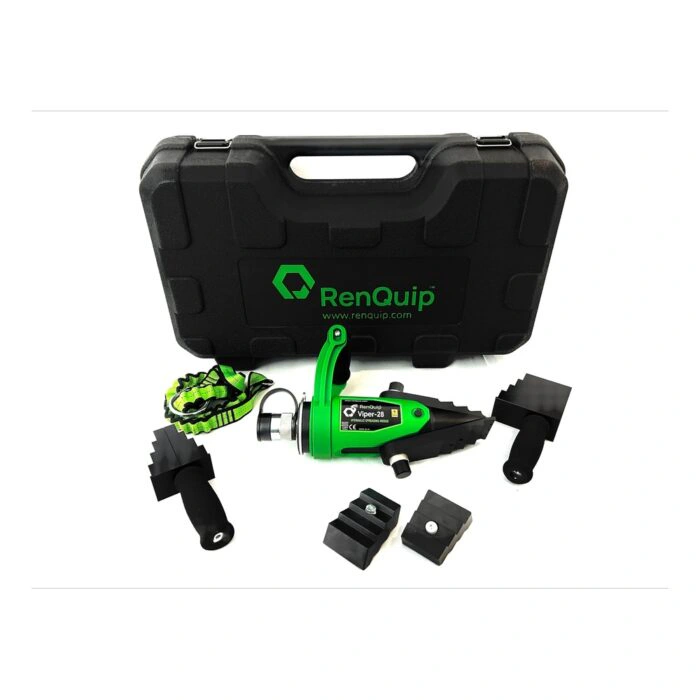
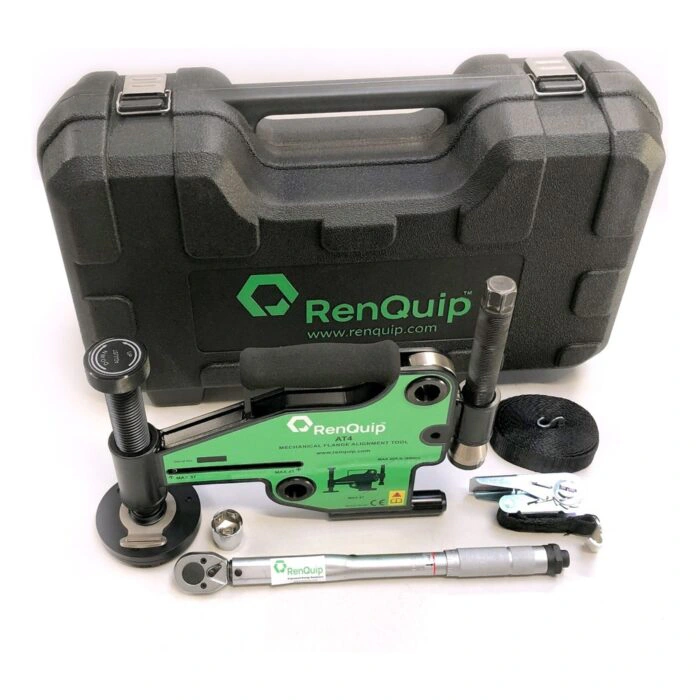
Its portfolio includes VIPER spreaders, AT and RHINO alignment tools, nut splitters, hand pumps, hydraulic hoses, lifting hooks and valve removal tools, as well as spark resistant variants. The range serves maintenance in energy, construction, mining, heavy transport, renewable energy and piping.
Hydraulic and mechanical tools for controlled flange separation, movement and alignment.
Nut splitters, lifting hooks and valve removal tools for difficult joints and equipment.
Pumps, hoses and spark resistant tools, with engineered options available from the manufacturer.
Design begins with application conditions, not a stock product
Full load testing supports tool durability and safety
Covers spreading, alignment, lifting and valve removal
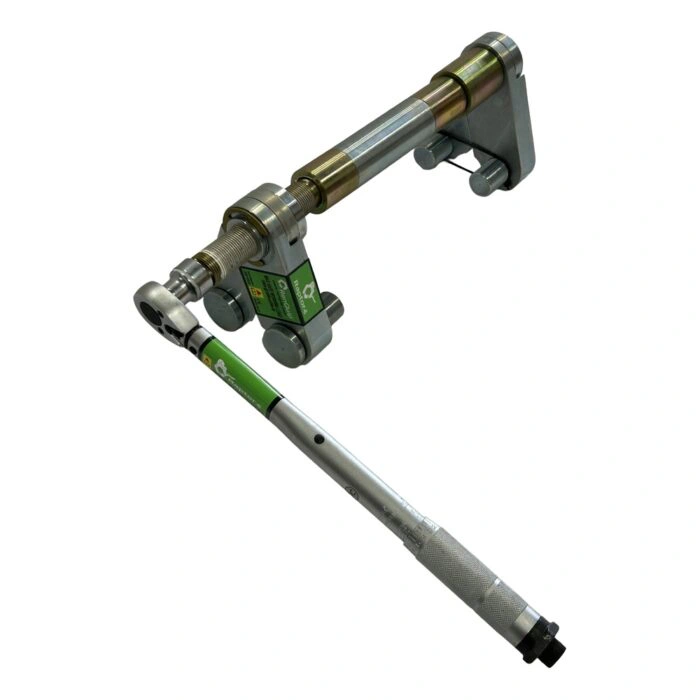
RenQuip selection starts with flange diameter, initial gap, misalignment direction, load, access, work environment and safety requirements. These inputs determine whether a mechanical, hydraulic or spark-resistant option is appropriate.
Provide photos, dimensions and equipment details to review spreading, alignment, lifting, nut splitting or valve removal tools. Model, load limits and availability are checked before quotation.
A mechanical tool can suit a simple mobile application where initial access and required force are within the model range. A hydraulic tool is appropriate when higher force or controlled movement is required, subject to pump, hose and tool limits. Selection should consider starting gap, flange thickness, spreading force and access conditions.
Selection depends on flange geometry, misalignment direction, required force and available access. Check the model's movement and load limits against the actual joint condition rather than choosing by series name alone. A damaged joint or unusual load requires a defined work condition and review against manufacturer instructions.
Inspect the tool body, contact points, pump, hose and connections, and confirm that the system is rated for the required load and pressure. Ensure the flange is supported, people are clear of the movement path and the tool is not used beyond its specified gap or force. Follow the manufacturer procedure and release pressure in a controlled manner.
It is relevant where the site risk assessment requires tool characteristics intended to reduce spark risk, such as an ignition controlled environment. It does not replace site procedures, permits or material compatibility checks for the specific hazard. Define the environment and safety requirements before selecting the model.
Professional advice, product selection and a quotation from Hadi Technologies.
This website uses data in accordance with the privacy policy to improve your experience. Continued use of the site constitutes acceptance of the Privacy Policy