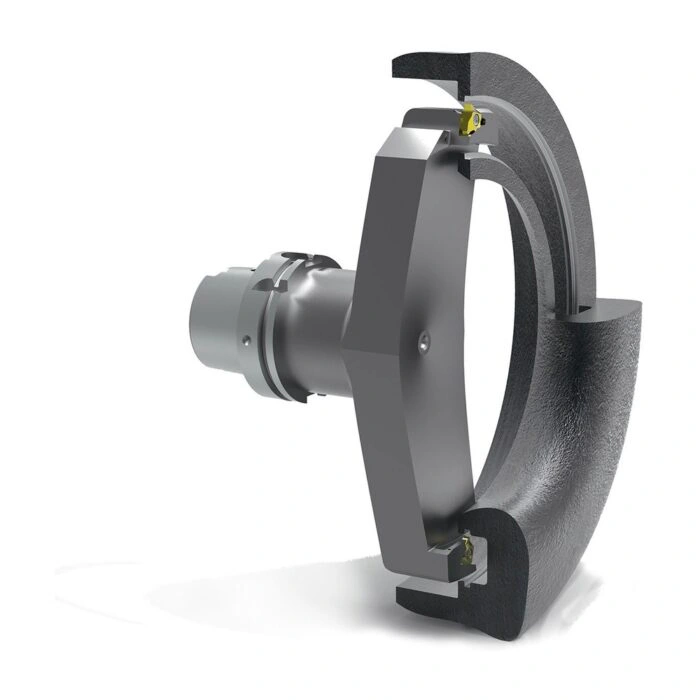
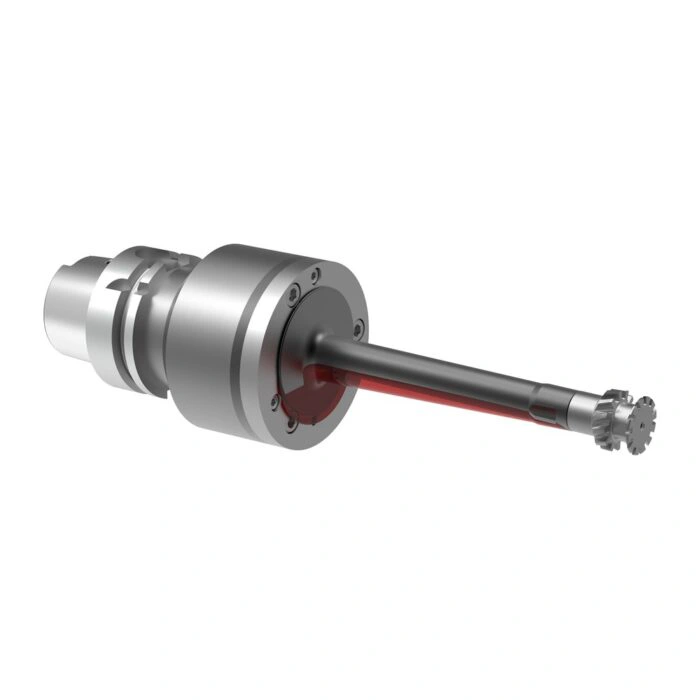
Machining by material
- Drilling, boring and fine boring tools
- Control diameter and repeatable hole quality
Explore this solution
Drilling, boring and fine boring tools support control of bore diameter, surface quality and repeatability.

Cutting tools and process solutions for precision machining
Hadi Technologies presents MAPAL machining solutions in Israel, focusing on drilling, precision boring, milling, turning, clamping and tool setting and management. Hadi's product pages can be reviewed by material, geometry, surface finish and process requirements.

MAPAL is a cutting-tool manufacturer and technology partner for machining processes. Its official portfolio includes reaming and fine boring, drilling, boring and countersinking, milling, clamping, turning, actuating, setting, measuring, dispensing and services. The company combines standard tools with custom tools to support precision, process stability and suitable production cost.
The solutions serve automotive, e-mobility, aerospace and composites, fluid power, die and mould and general manufacturing. MAPAL highlights expertise in aluminium and challenging materials, as well as clamping, measurement and tool management. Hadi's site includes boring tools, PCD and PcBN inserts, VersaCut, UNIQ chucks and turning and grooving products, so selection should follow the part and process rather than a category name alone.
Drilling, boring and fine boring tools support control of bore diameter, surface quality and repeatability.
The range includes milling tools, interpolation turning, grooving solutions and systems with replaceable inserts.
Chucks, cooling solutions, setting and measuring systems and tool management complete the process.
Geometry matched to aluminum, steel, titanium and composites
Accuracy considered across tooling, clamping and measurement
Standard ranges plus tools matched to part, machine and volume
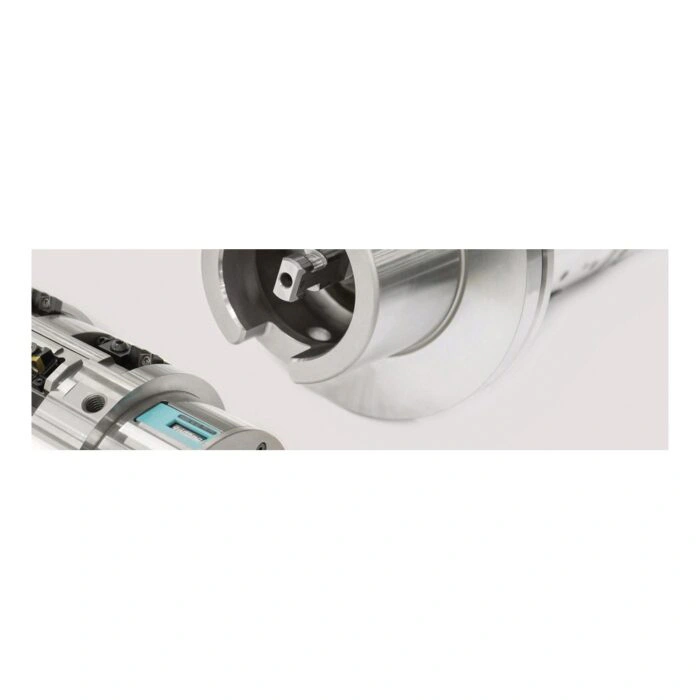
MAPAL selection starts with material, part geometry, machine, hole diameter and depth, finish target and production volume. Existing tool data, drawings and cooling conditions help evaluate the right range and geometry.
The next step is to compare drilling, milling, turning, grooving, clamping and measurement around the complete process. Model availability and fit must be checked against the current manufacturer specification and Hadi catalogue.
Reaming is typically used to finish a bore efficiently, while fine boring is used to adjust diameter, location and surface quality after previous machining. The choice depends on material, tolerance, bore length and stock allowance. Define the bore requirement and process sequence before selecting the tool.
Selection depends on workpiece material, cutting speed, finish requirement and production conditions. PCD is used in suitable non ferrous applications, while PcBN serves appropriate hard and ferrous machining applications. The exact grade must be checked against the manufacturer recommendation because no insert grade fits every material or machine.
Prepare a drawing or model, workpiece material, diameters and tolerances, bore depth, machine and spindle interface, speed and coolant conditions. Cycle demand and the need for a standard or special tool also matter. These inputs allow the tool to be evaluated as part of the complete process.
A standard tool is suitable when geometry, interface and process requirements fit an existing range. A customised tool is considered for unusual bore combinations, access, material, tolerance or cycle constraints. Customisation still requires validation of parameters, coolant and tool life under the actual production conditions.
Professional advice, product selection and a quotation from Hadi Technologies.
This website uses data in accordance with the privacy policy to improve your experience. Continued use of the site constitutes acceptance of the Privacy Policy