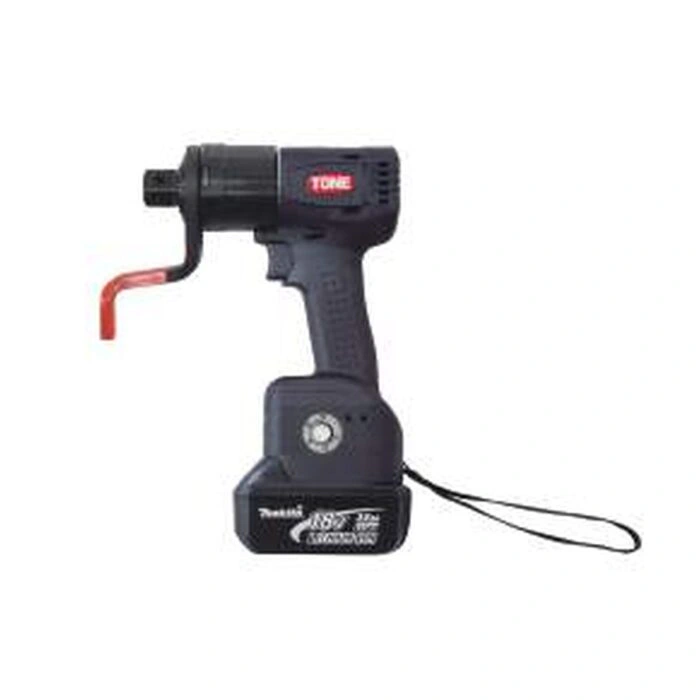
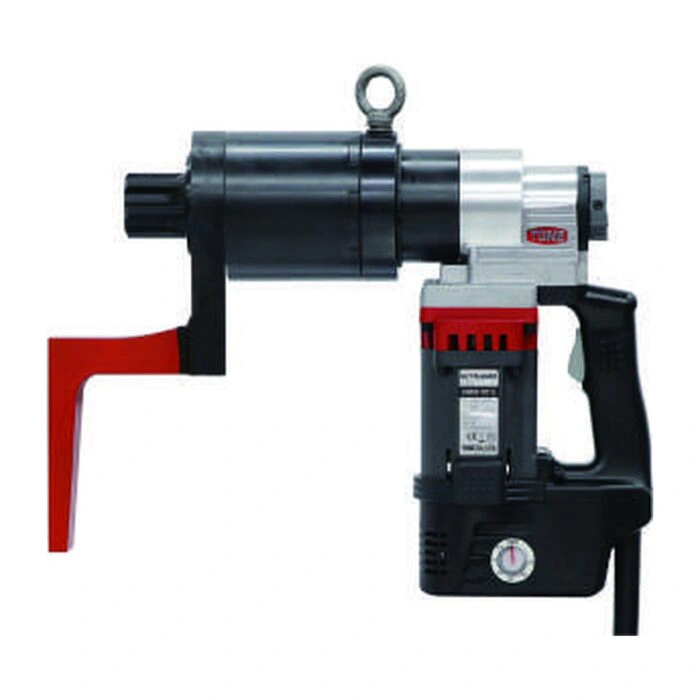
Controlled tightening by joint
- Corded and cordless electric torque tools
- Choose mobility, rate and workload
Explore this solution
Controlled tools selected around mobility, duty cycle and available power.

Japanese precision for controlled torque and bolting
HADI Technologies presents TONE solutions in Israel for torque and controlled bolting. The relevant range includes corded, cordless and manual wrenches, minimal clearance tools, torque multipliers and digital meters. The products button lists TONE models currently shown in HADI’s catalog.

TONE was founded in Japan in 1938 and the TONE brand was recognized in 1941. TONE Americas states that the company has three manufacturing plants and nine branches in Japan and exports to more than fifty countries.
The GWY sources show GNR electric, CNR cordless, GNBC minimal clearance, PDX digital readout, P series multipliers and manual torque wrenches. GWY also describes a TONE partnership for TN structural bolt wrenches. Selection depends on fastener type, torque range, power source, documentation and access.
Controlled tools selected around mobility, duty cycle and available power.
GNBC and PDX families address limited clearance or the need for digital indication.
Mechanical solutions for ratio, manual control or work without a power source.
More than eight decades of manufacturing activity
Electric, cordless and manual options by site conditions
Torque tools for structural applications, model dependent
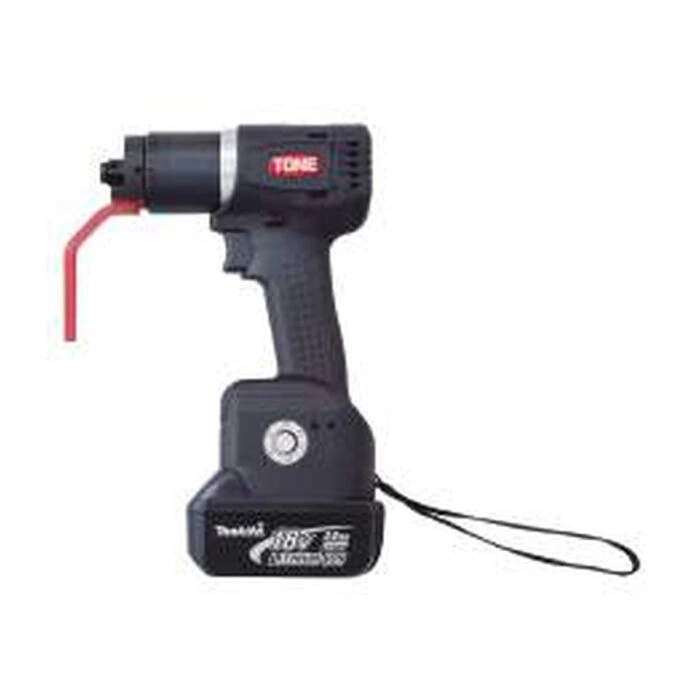
TONE selection depends on joint type, bolt size, torque range, mobility, access and whether reading or records are required. Structural work also requires review of joint requirements and exact model.
Electric, cordless, manual, multiplier or wrench options can be compared by power source and conditions. Compatibility and availability are checked against manufacturer specifications and the active catalogue.
A corded tool suits a fixed power source and repeatable duty, while a cordless tool improves mobility on site. A manual wrench or multiplier fits work without power or where mechanical ratio and hand control are preferred. Compare torque range, duty cycle, access and the required level of documentation.
It is useful when joint geometry limits head width or approach angle, such as beside a flange or between adjacent fasteners. Nut size alone is insufficient because the turning envelope and reaction space also matter. Verify joint dimensions and the model torque range before ordering.
Start with the bolt assembly, specified tightening method and verification requirement. Then check the model, socket, torque range and reaction point against dimensions and access. Sufficient output alone does not establish compatibility with the installation method or the connection’s verification requirements.
A multiplier increases output through a mechanical ratio when manual operation is preferred or powered access is limited. A torque meter is used to verify or record the result rather than simply apply force. Select it around measurement range, accuracy and the joint verification method.
Professional advice, product selection and a quotation from Hadi Technologies.
This website uses data in accordance with the privacy policy to improve your experience. Continued use of the site constitutes acceptance of the Privacy Policy