
Atlas Copco technology · HADI engineering and integration in Israel
Atlas Copco Tightening Cell Robotics (TCR)
A simple, dependable and modular solution for automated fastening. Tightening Cell Robotics (TCR) adapts Atlas Copco tightening technology to the application, station and production environment.
Process engineering
Key challenges in automated tightening
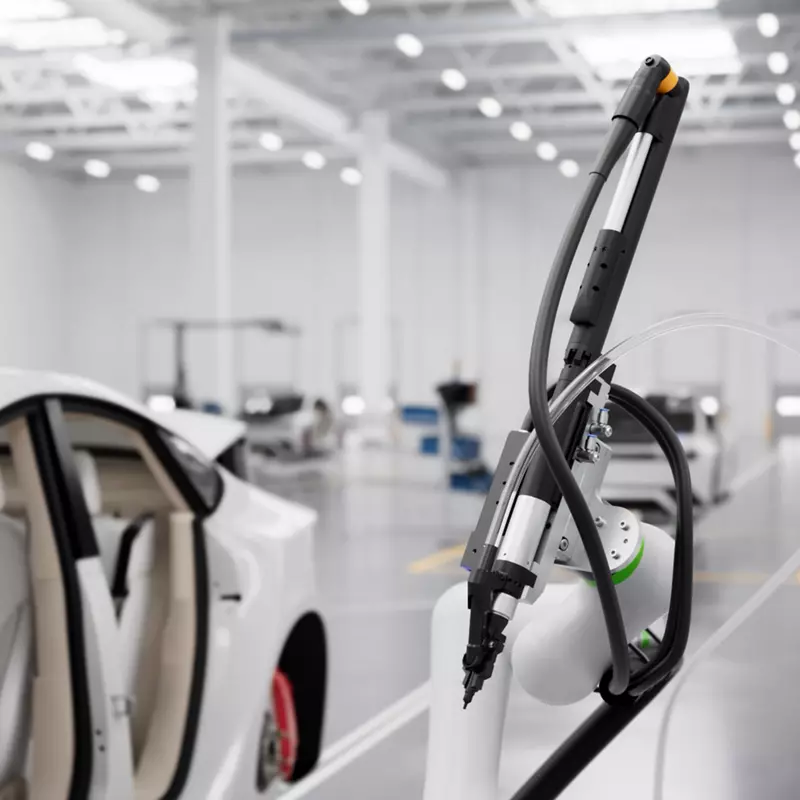
System integration and compatibility
Automated stations often combine robots, vision, torque tools and conveyors. Making them work together reliably—especially with existing MES and PLC systems—is a central engineering challenge.

Traceability and data management
Many production environments require full traceability for every tightening operation, including torque, angle, timestamp and serial number. The cell must integrate cleanly with the plant's traceability platforms.
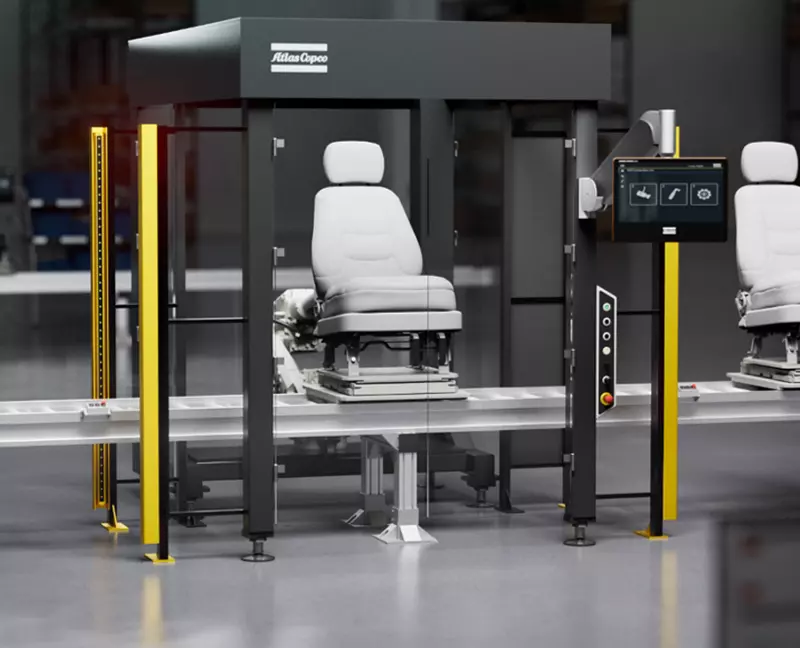
Changeover and flexibility
High-mix, low-volume production requires rapid adaptation to new parts or models. A rigid station increases setup time and reduces OEE (Overall Equipment Effectiveness).

Post-sales support and serviceability
An automated solution depends on planned maintenance and responsive support. Coordinating unrelated third parties can delay recovery when expertise or replacement components are needed.
How Tightening Cell Robotics addresses these challenges
Reliability comes from intelligent modular standardization, while the configurable architecture retains the flexibility needed for a wide range of tightening applications.
Reliable
Process-relevant products are designed and developed as one connected solution, supporting continuous improvement and production uptime.
Low risk
A globally proven technology platform is paired with local HADI engineering, integration and support throughout the project life cycle.
One engineering address
A compact, proven base structure can be adapted to the layout and application, with the components and engineering needed for operation.
Flexible
A configurable platform supports straightforward integration and a controlled start of production (SOP), helping protect return on investment (ROI).
Configurations matched to the application
What makes the solution configurable?
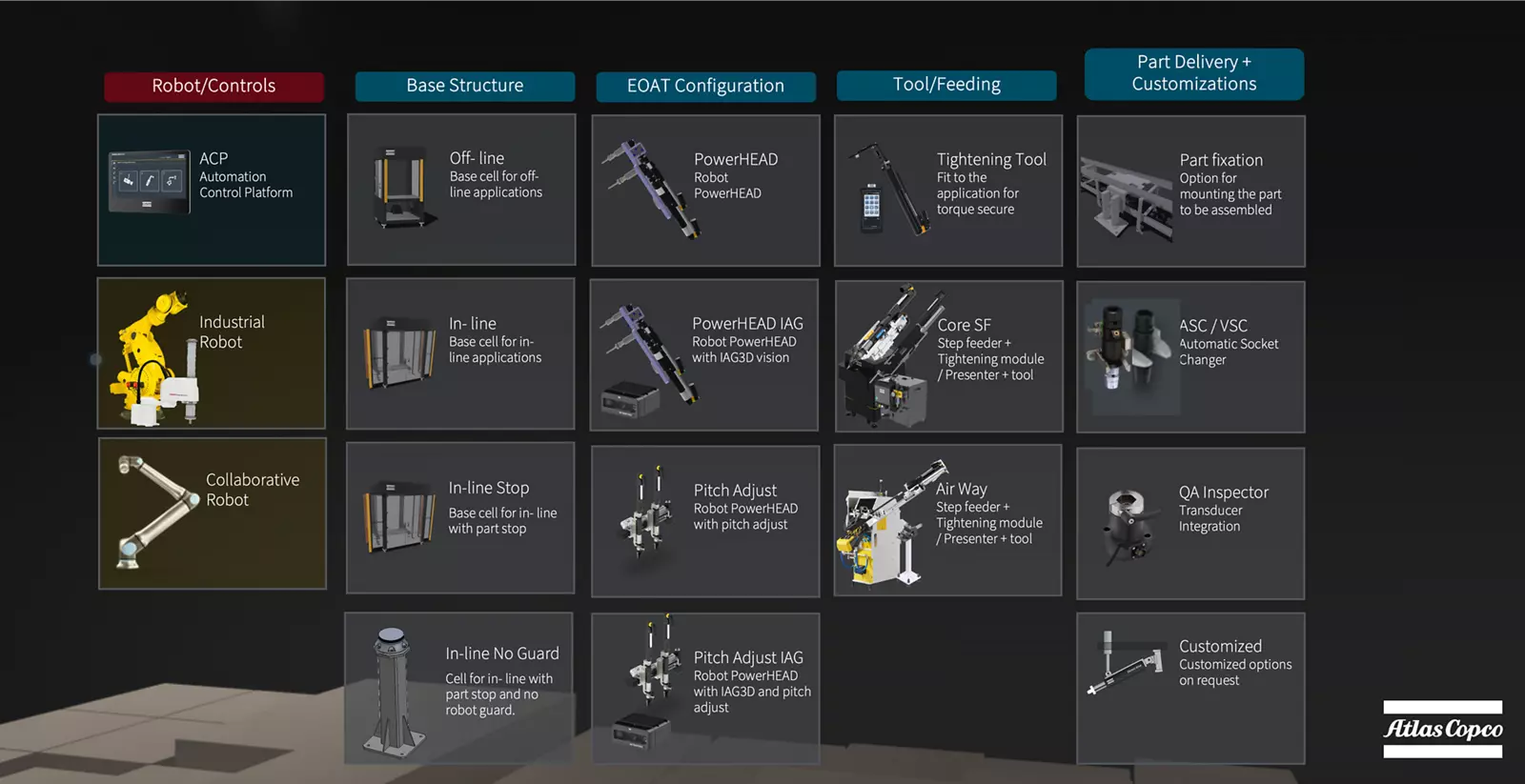
Intelligent modular standardization provides a reliable base, while selectable cell, layout, tightening, screw-handling, fixturing and control modules address a broad range of applications.
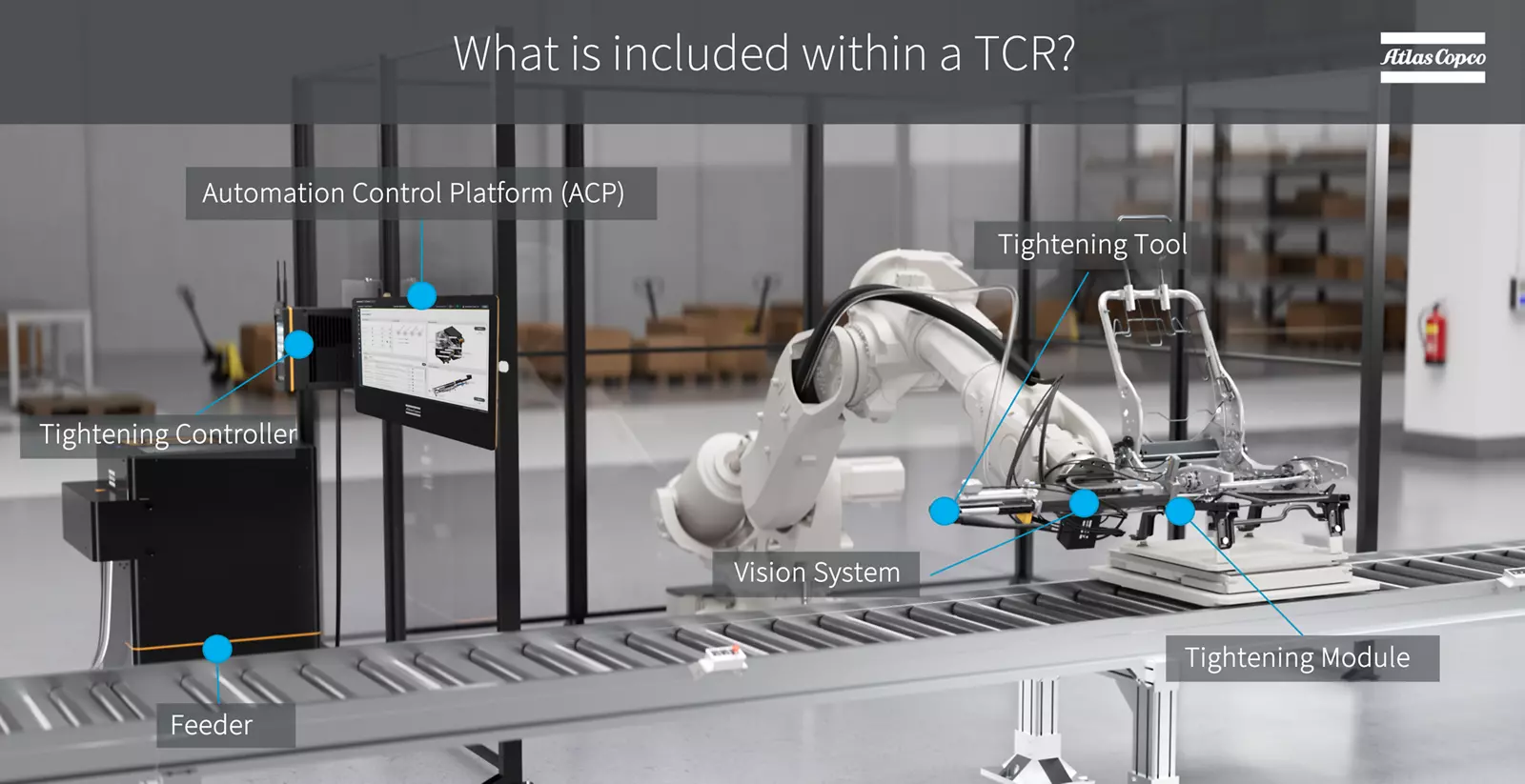
What is included in a TCR?
Open the system diagram to review the components that can make up a Tightening Cell Robotics solution.
Configuration path
Open the configuration chart to review the available decision path and cell options.
How is the solution defined?
The correct configuration is selected from the production rate, station layout, part requirements—including torque and position—and part-handling needs. The system can scale as future requirements change.
How is the solution defined?
Production rate
Station layout
Part requirements, including torque and position
Part-handling requirements
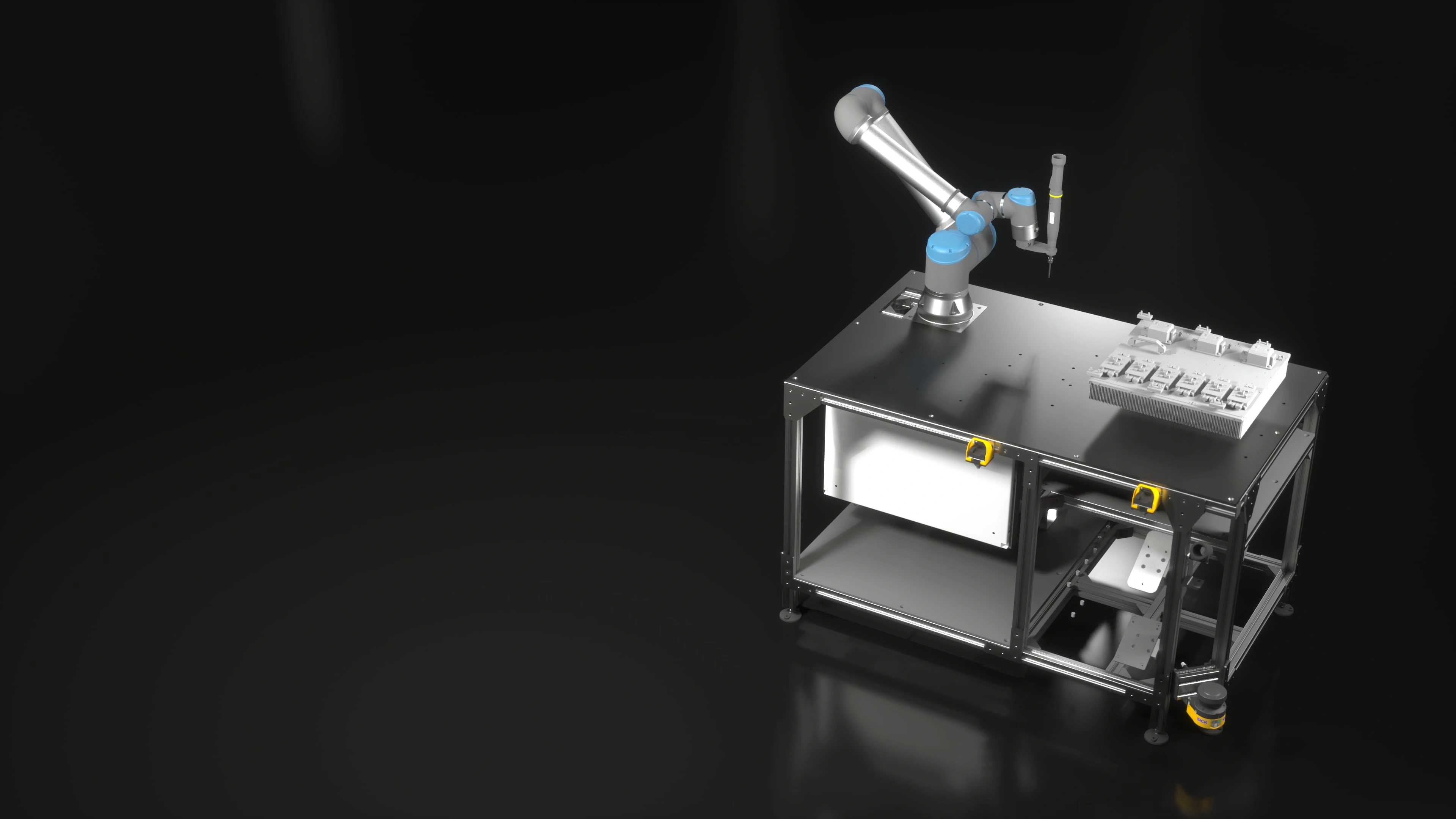
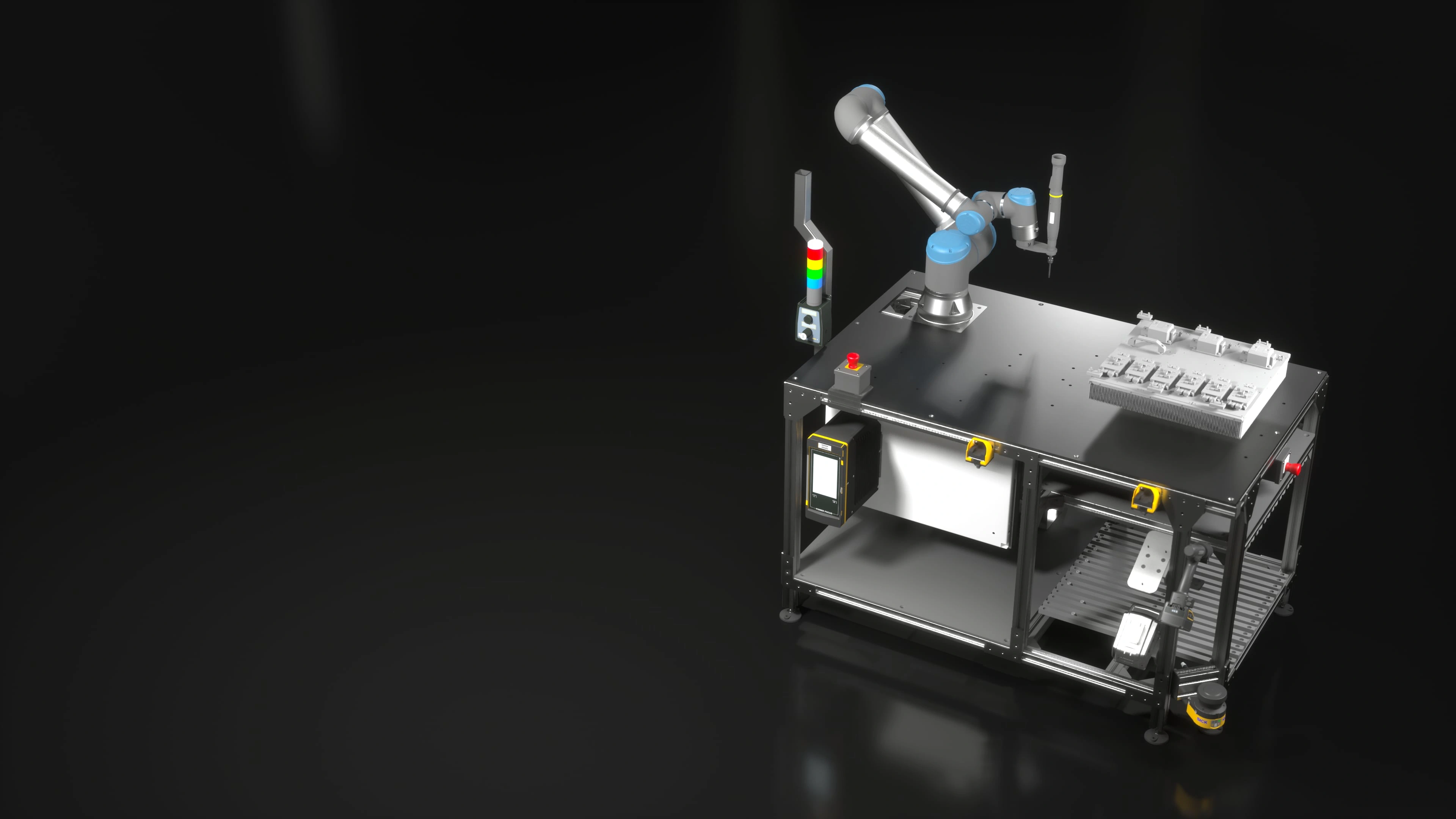
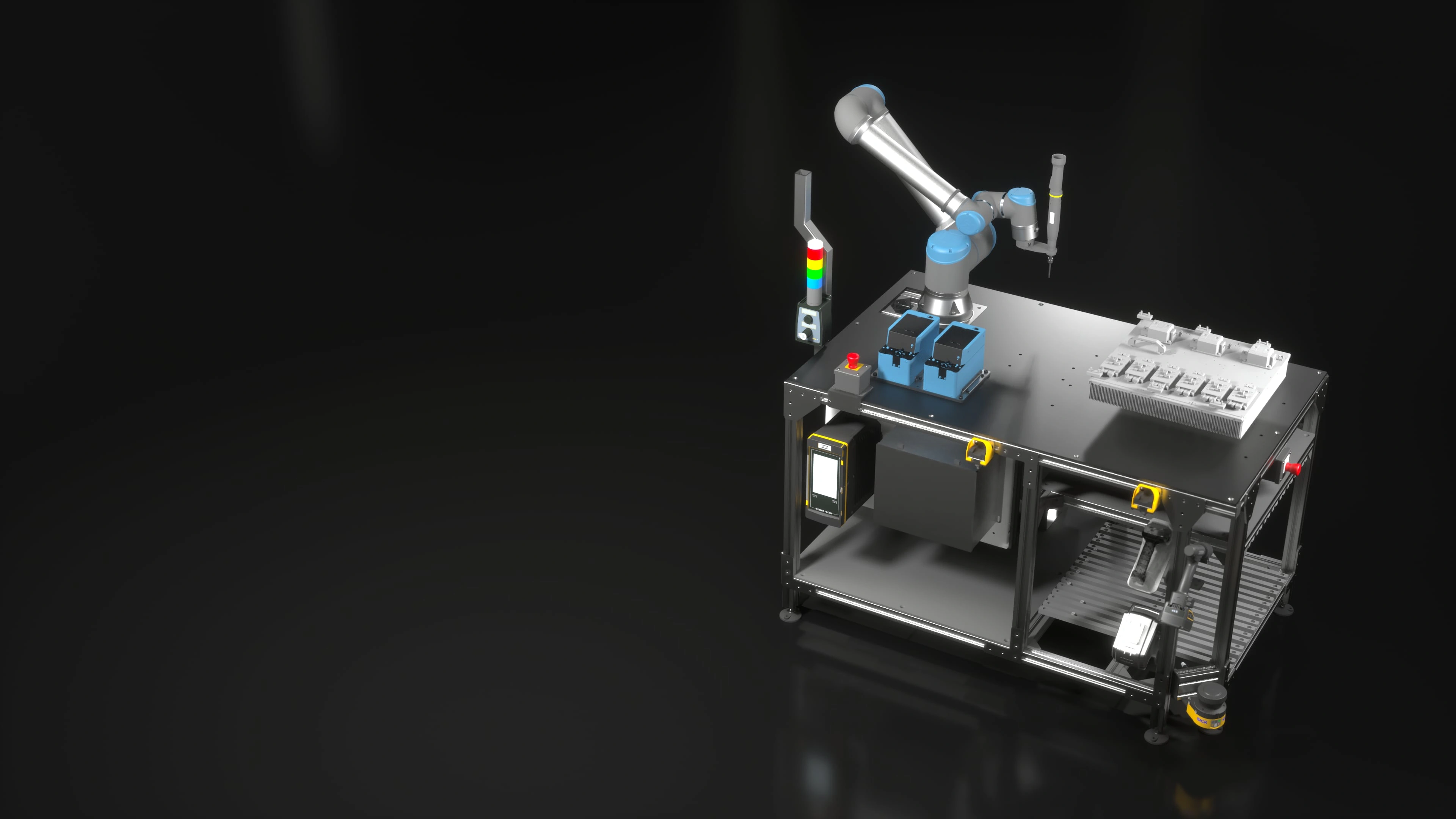
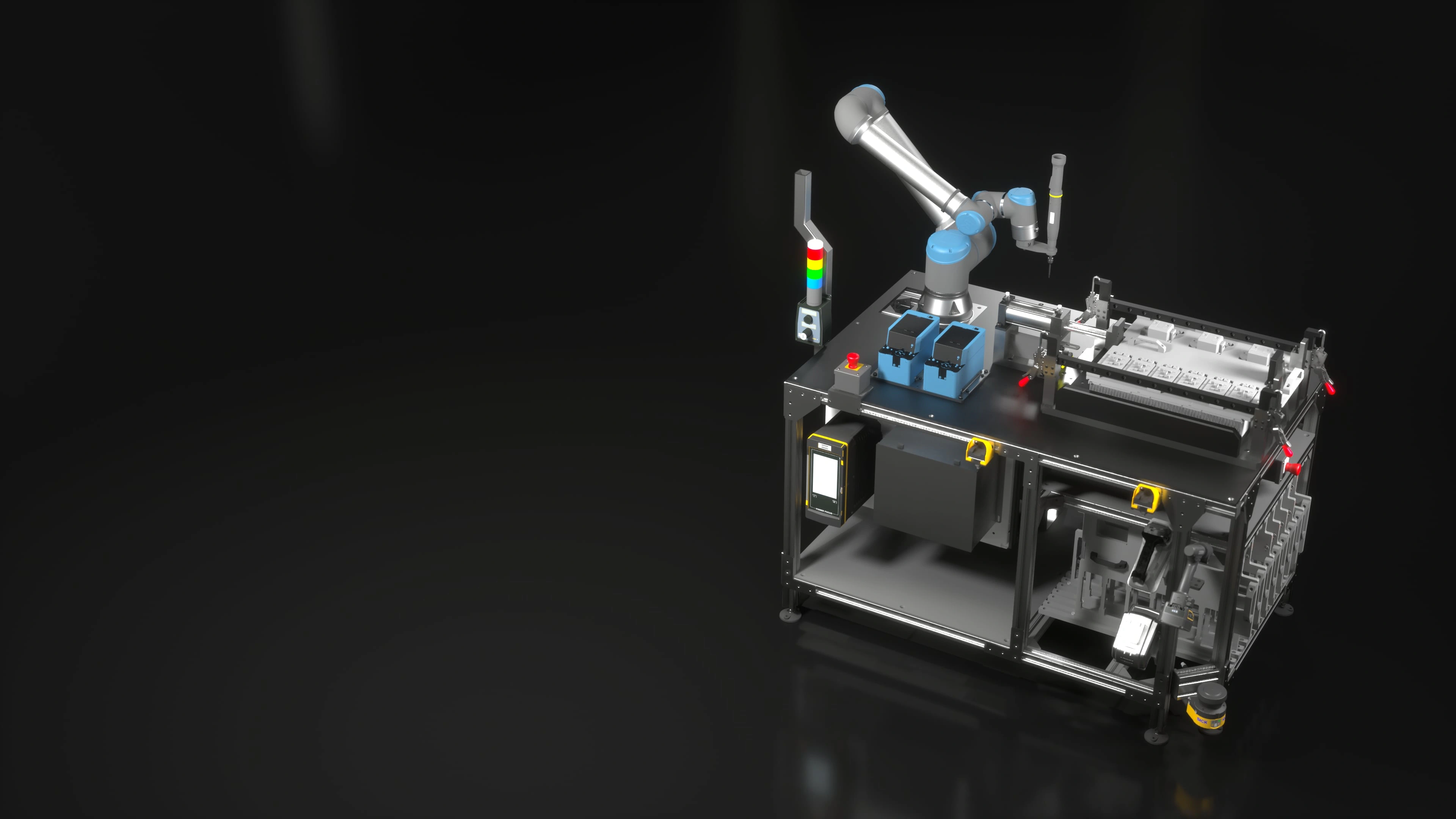
Configuration examples
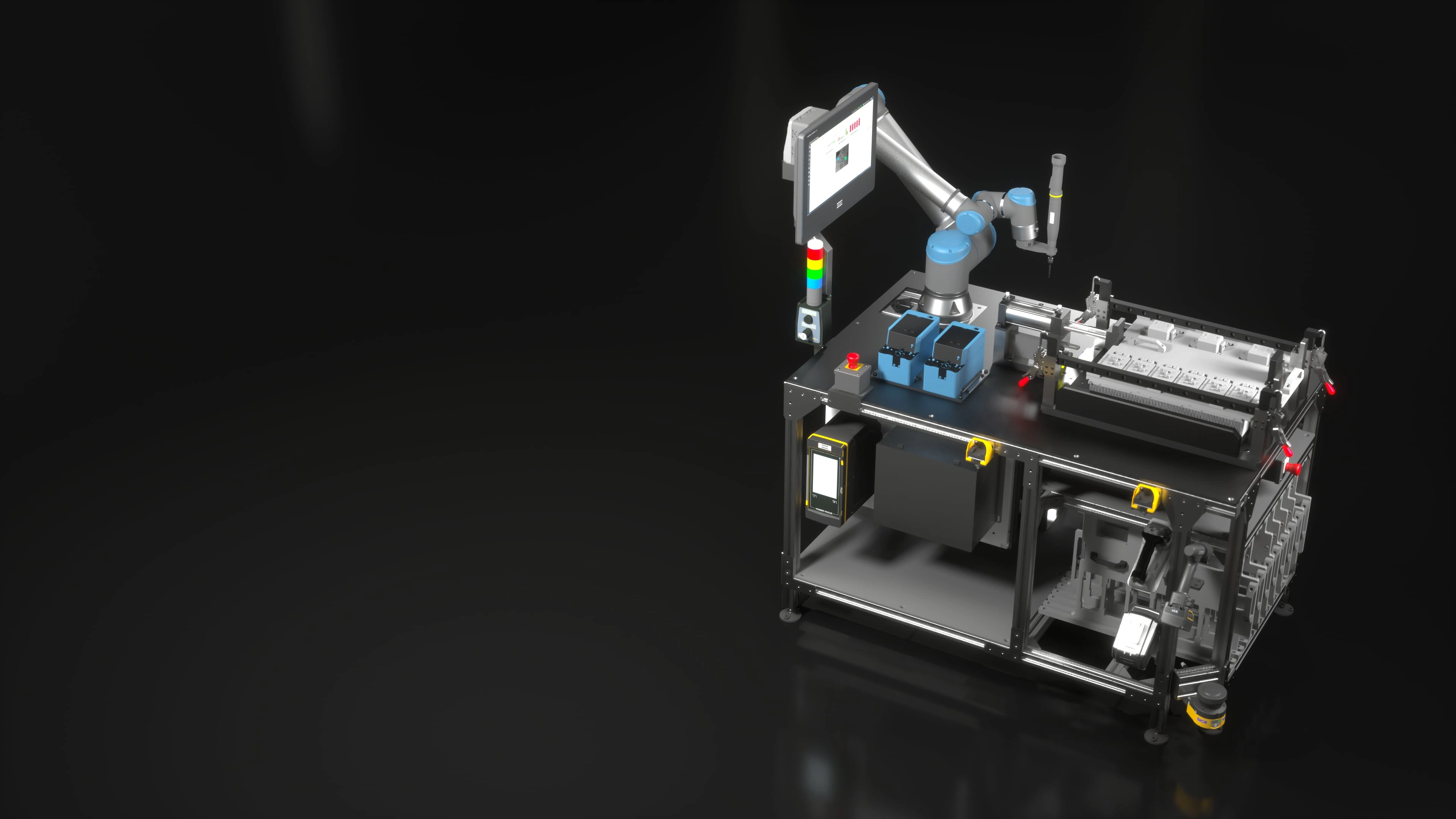
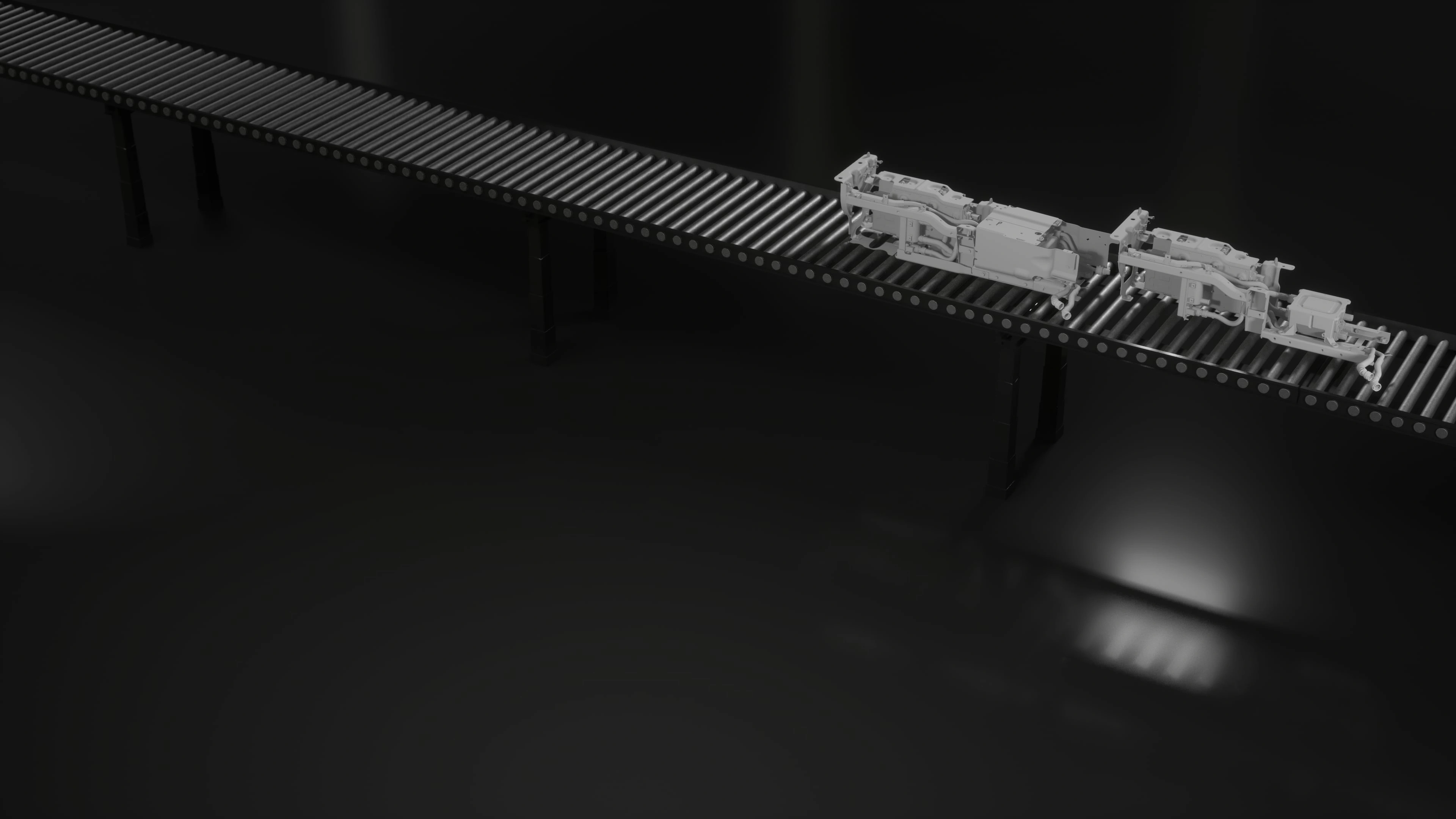
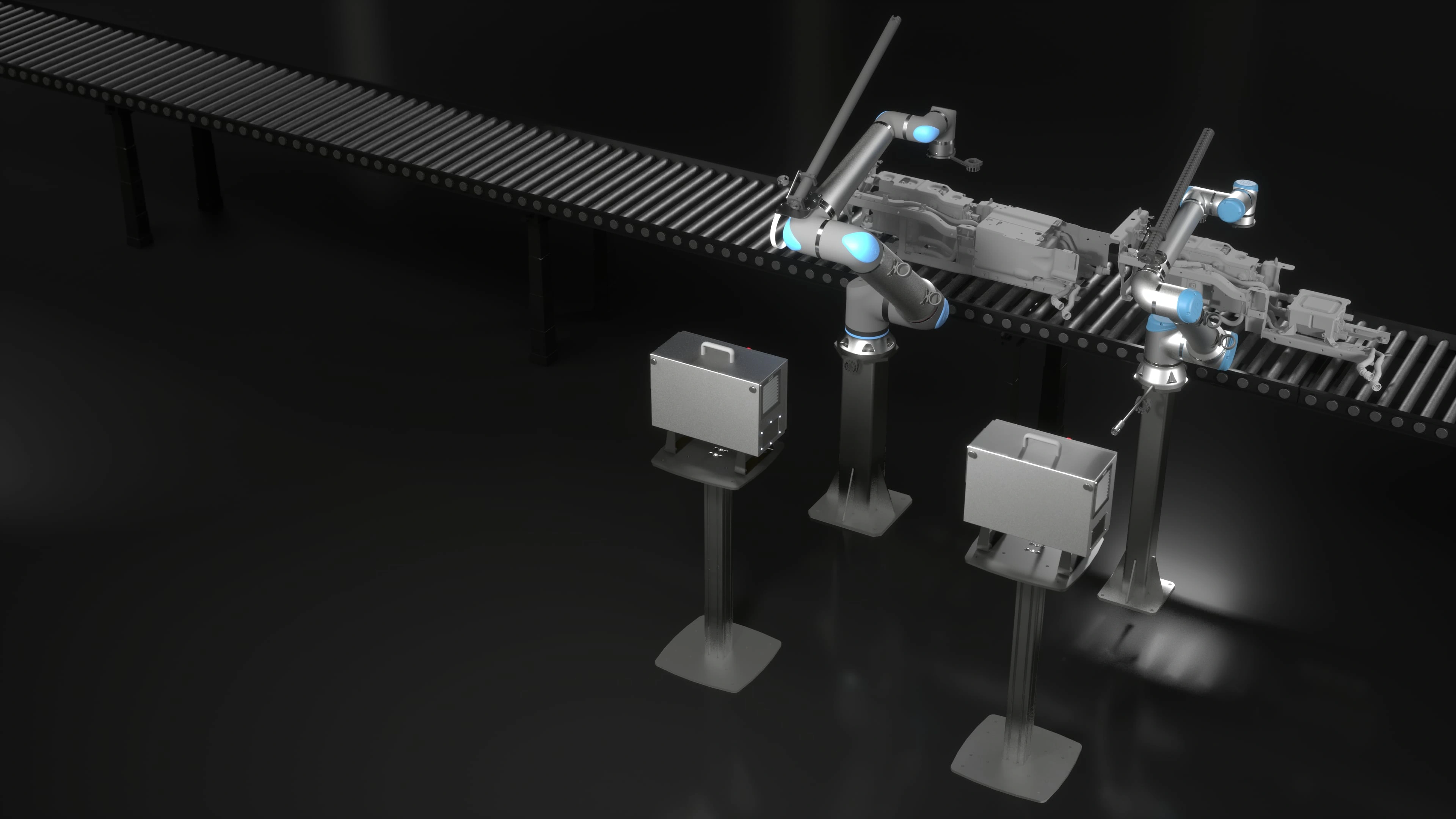
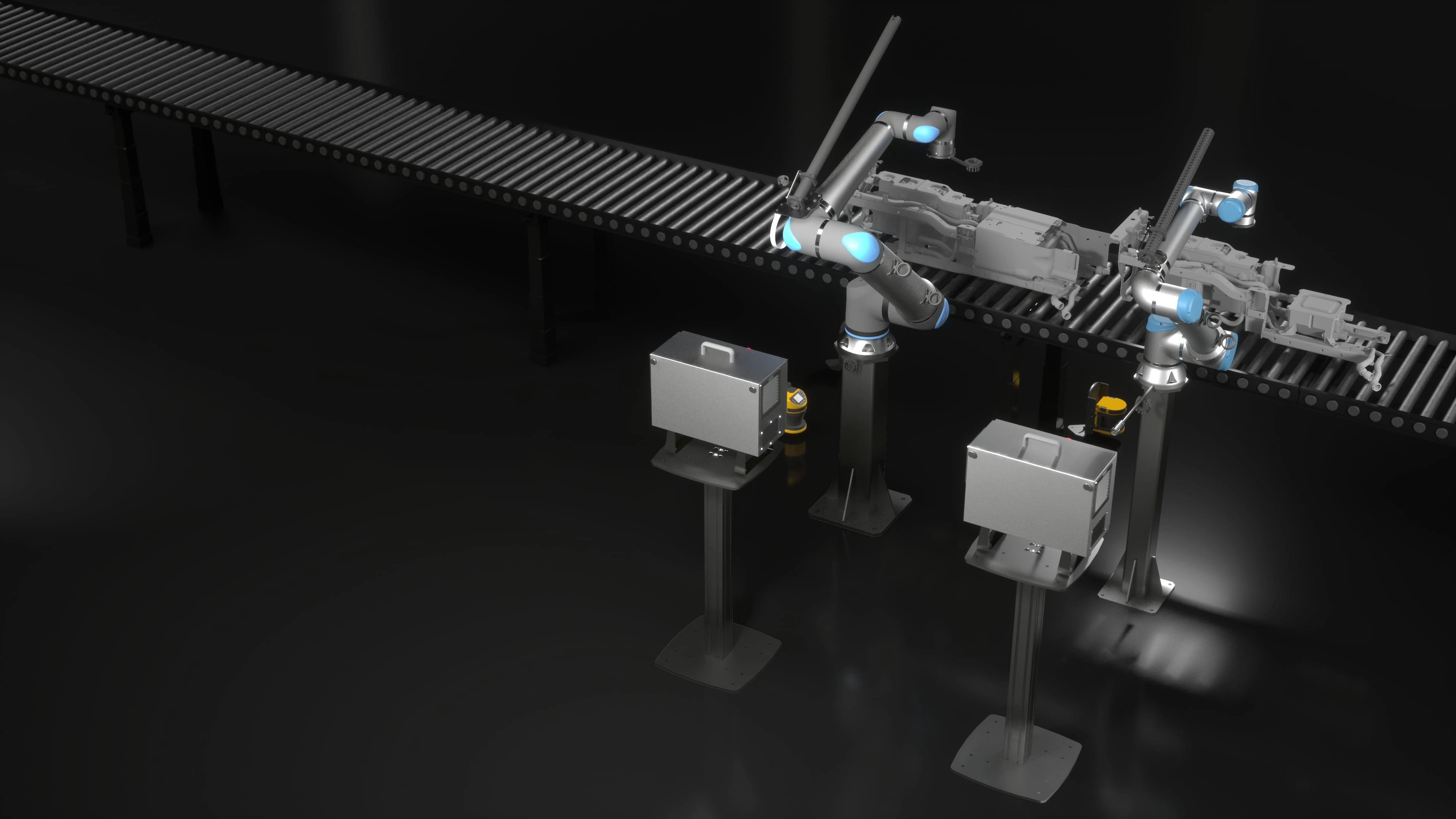
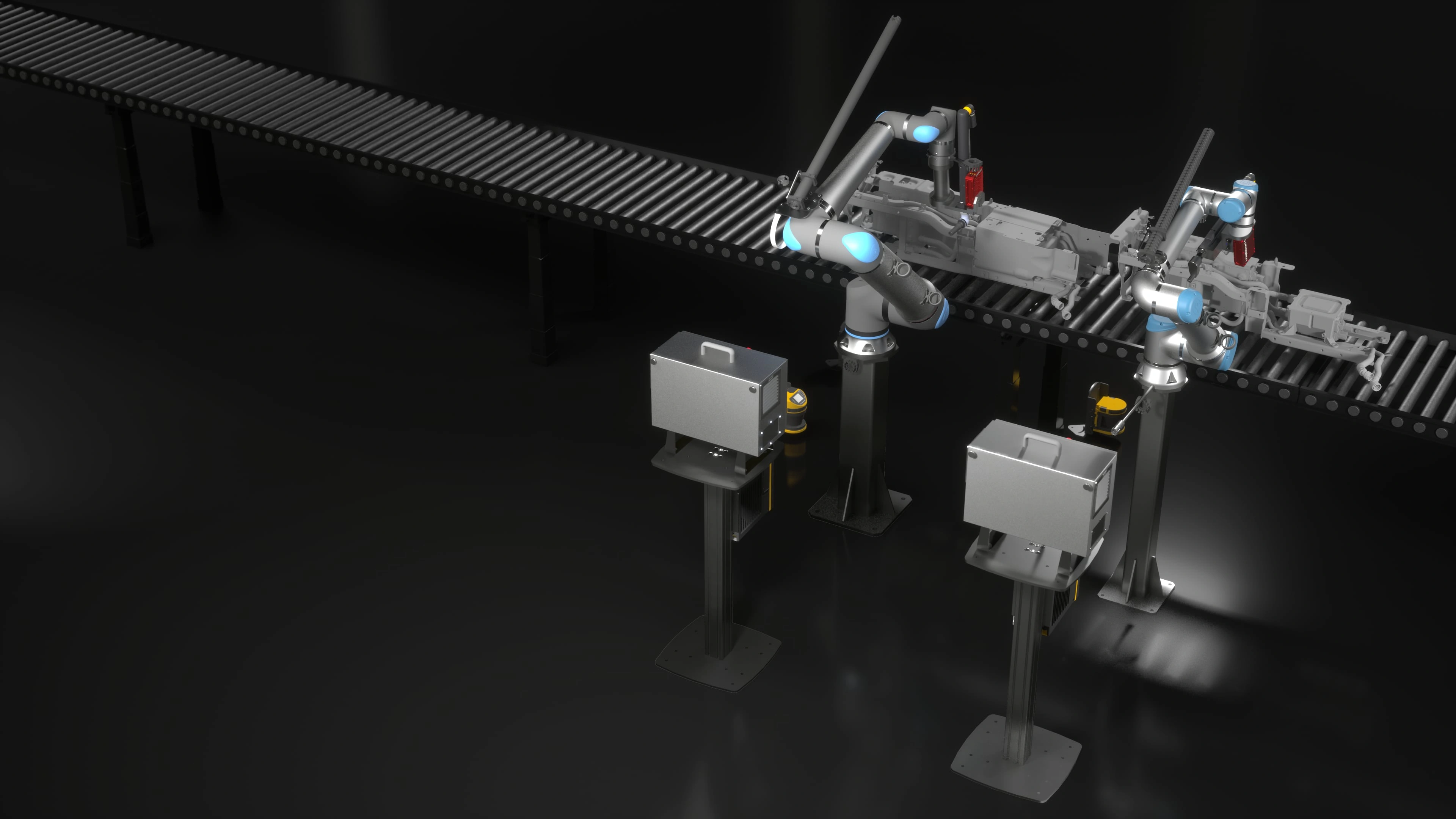
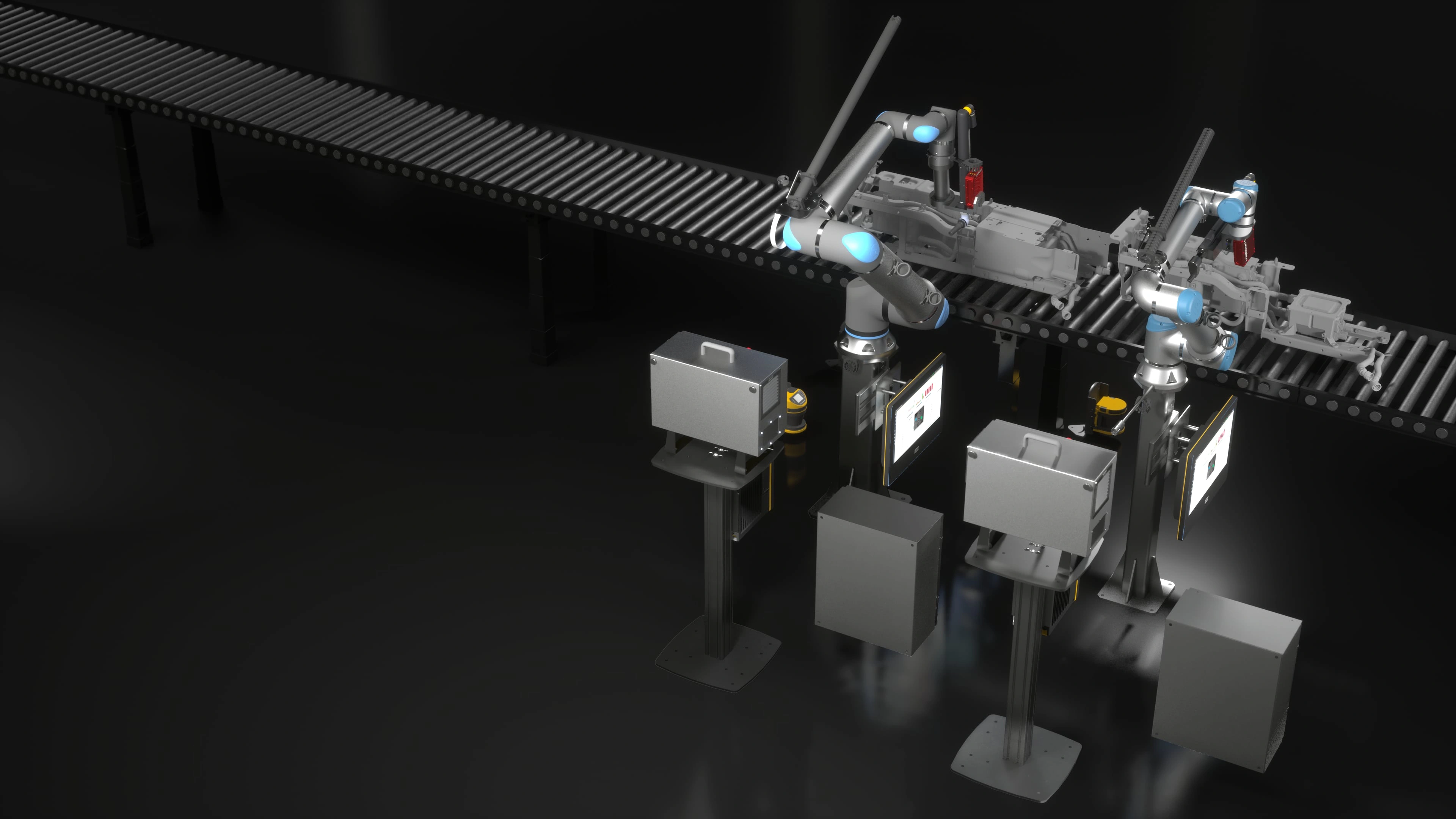
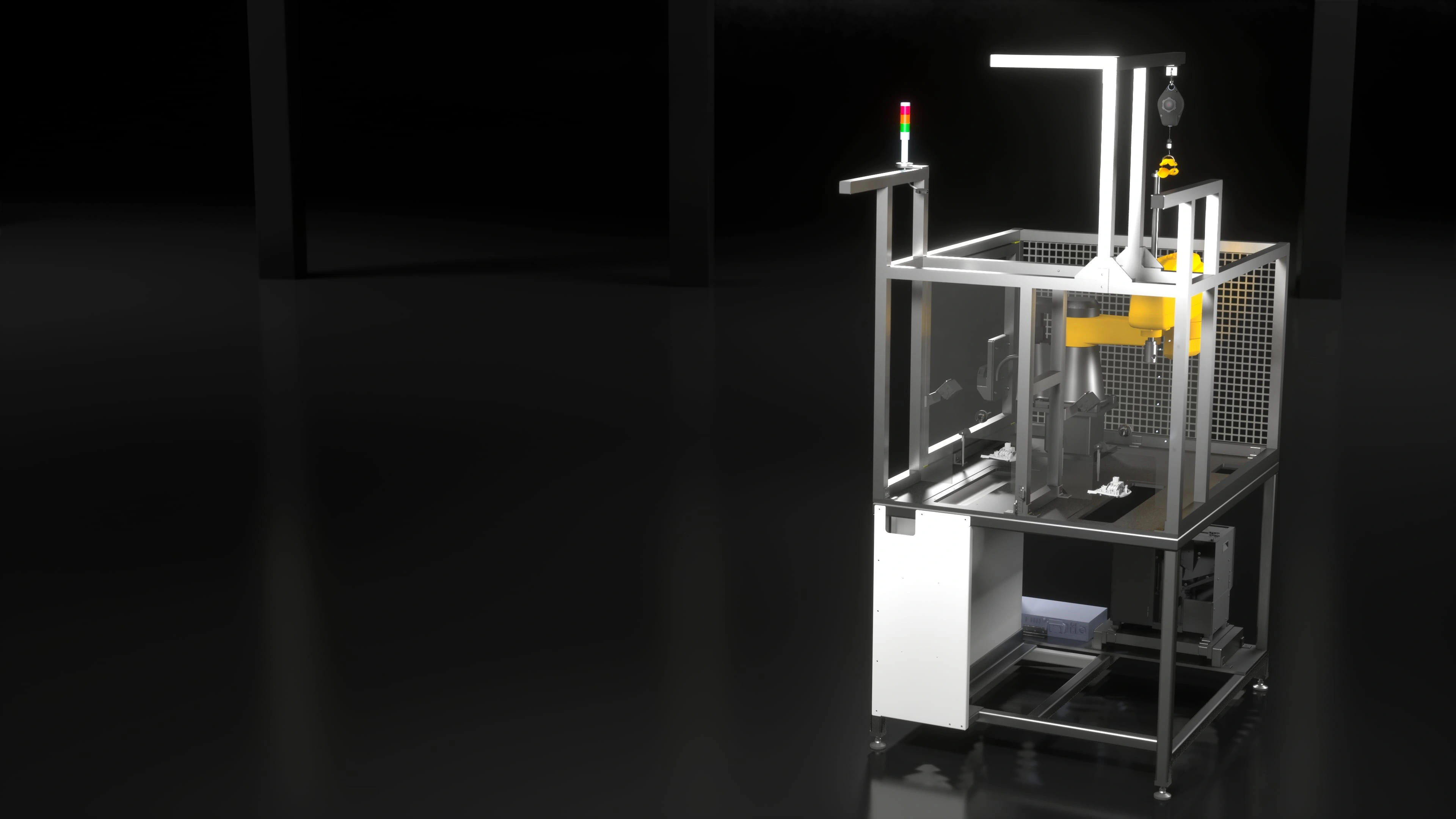
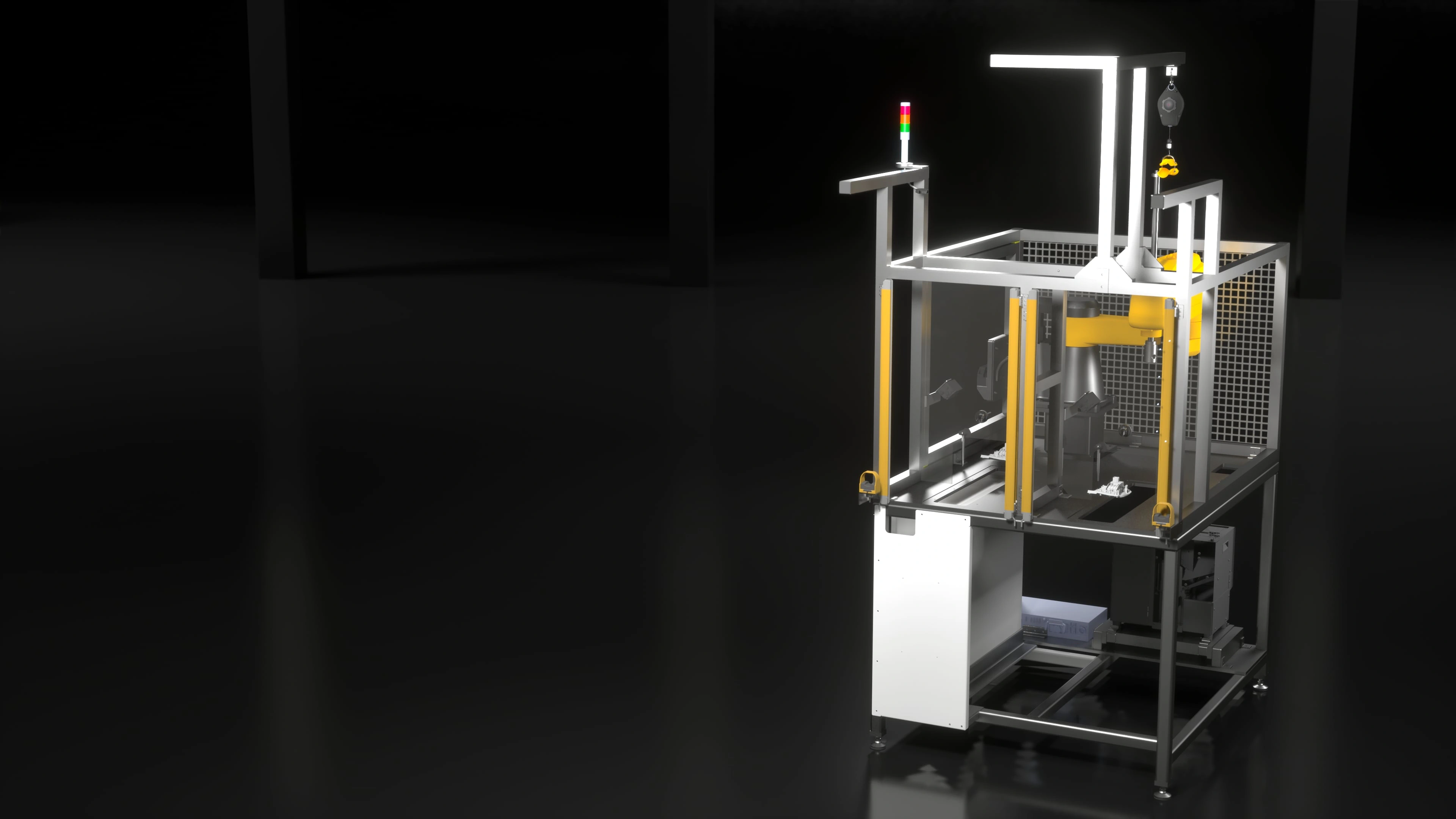
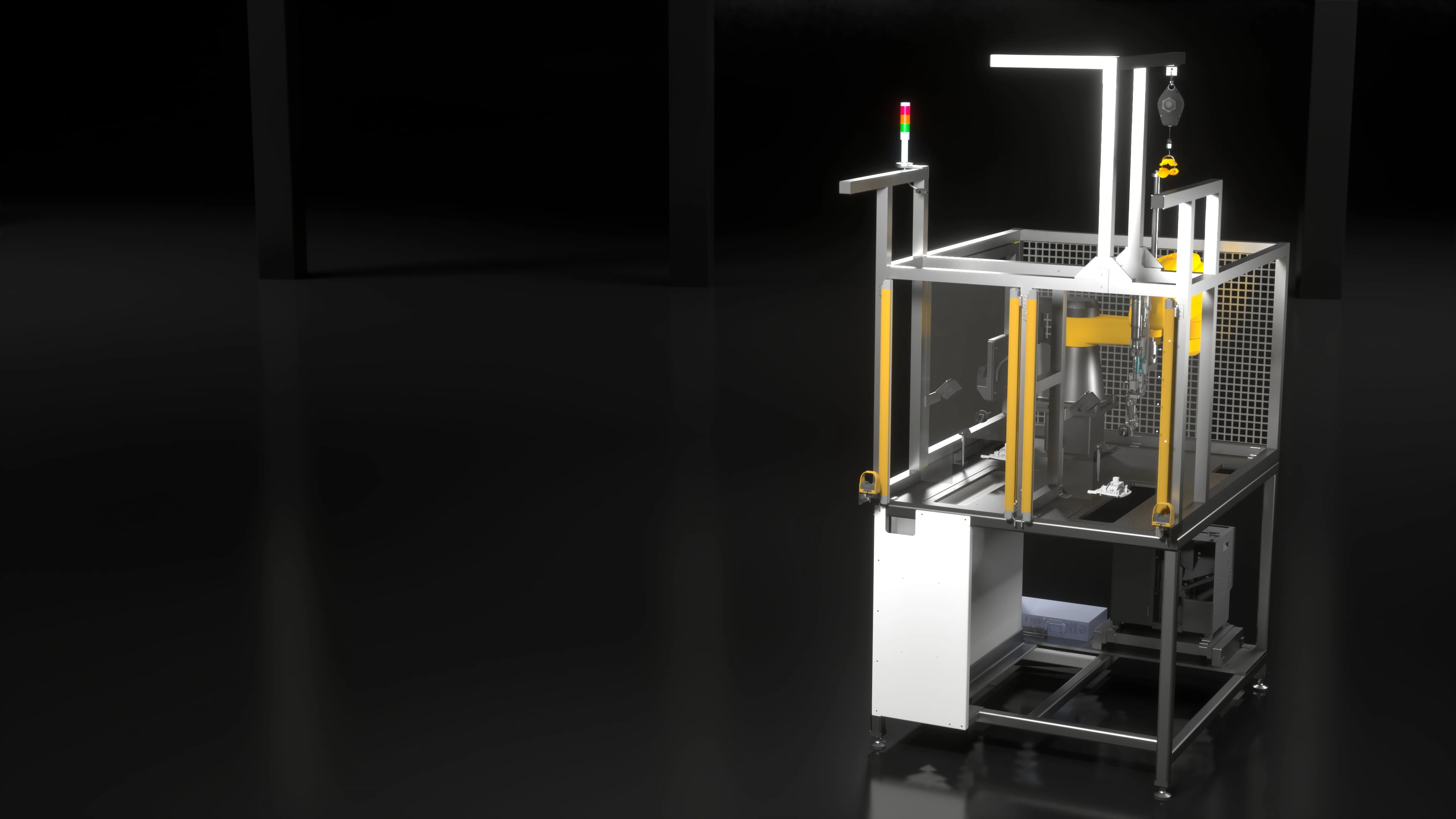
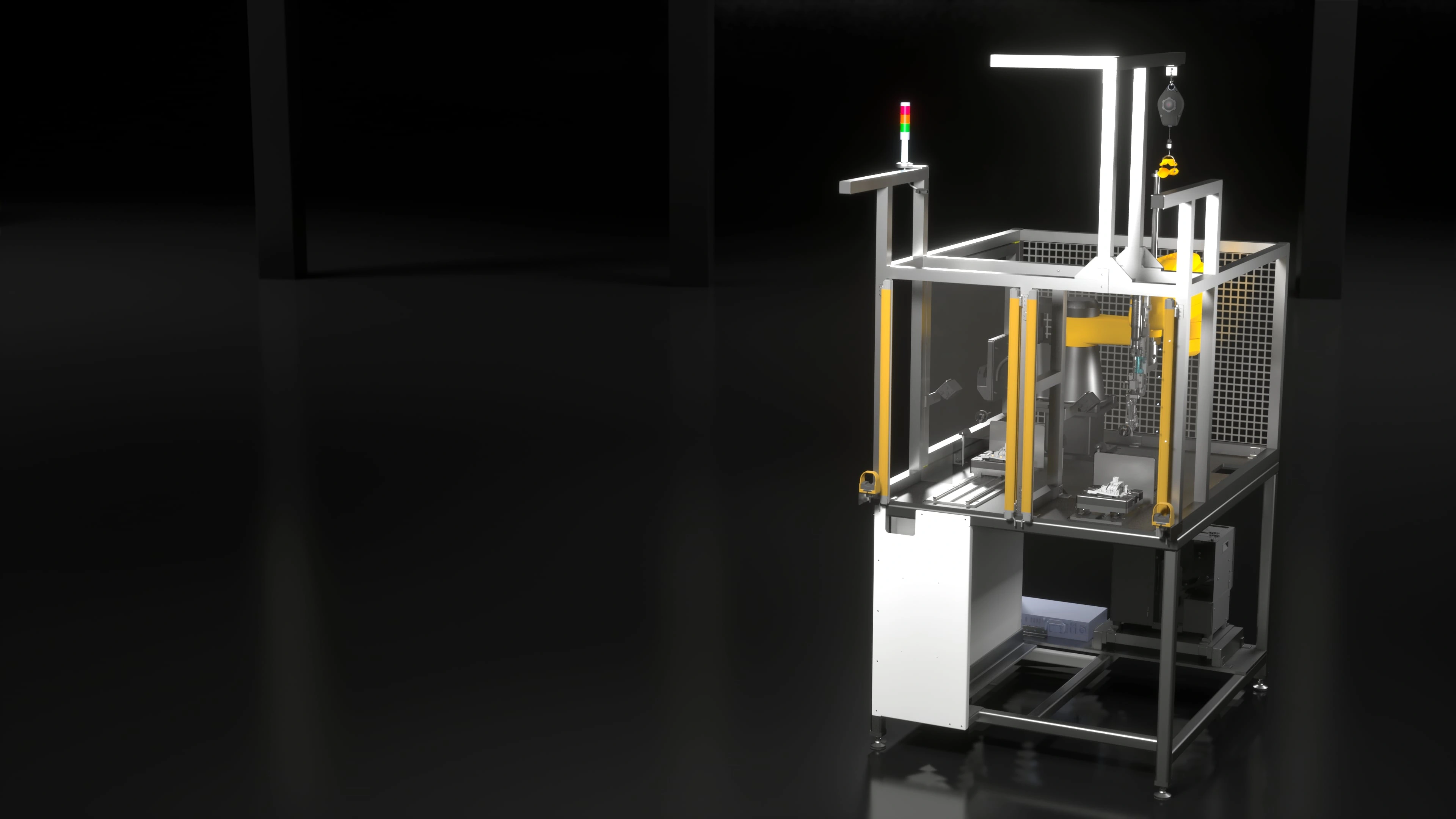
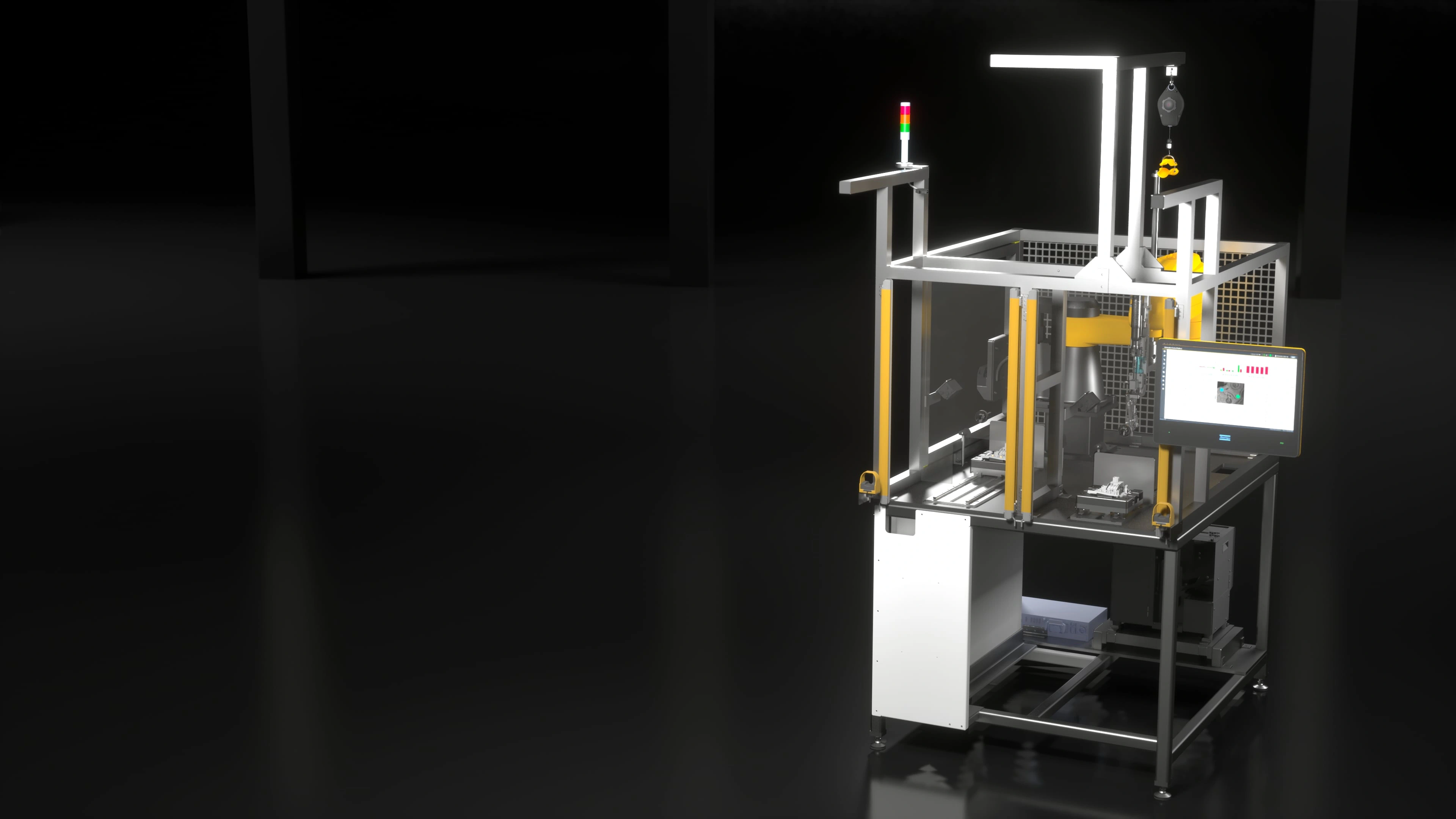
Explore the staged configuration examples to see how each selectable component builds a cell for a specific fastening application. The scenarios demonstrate distinct production requirements, while the platform itself is applicable across general industry, aerospace, energy, marine and other production sectors.
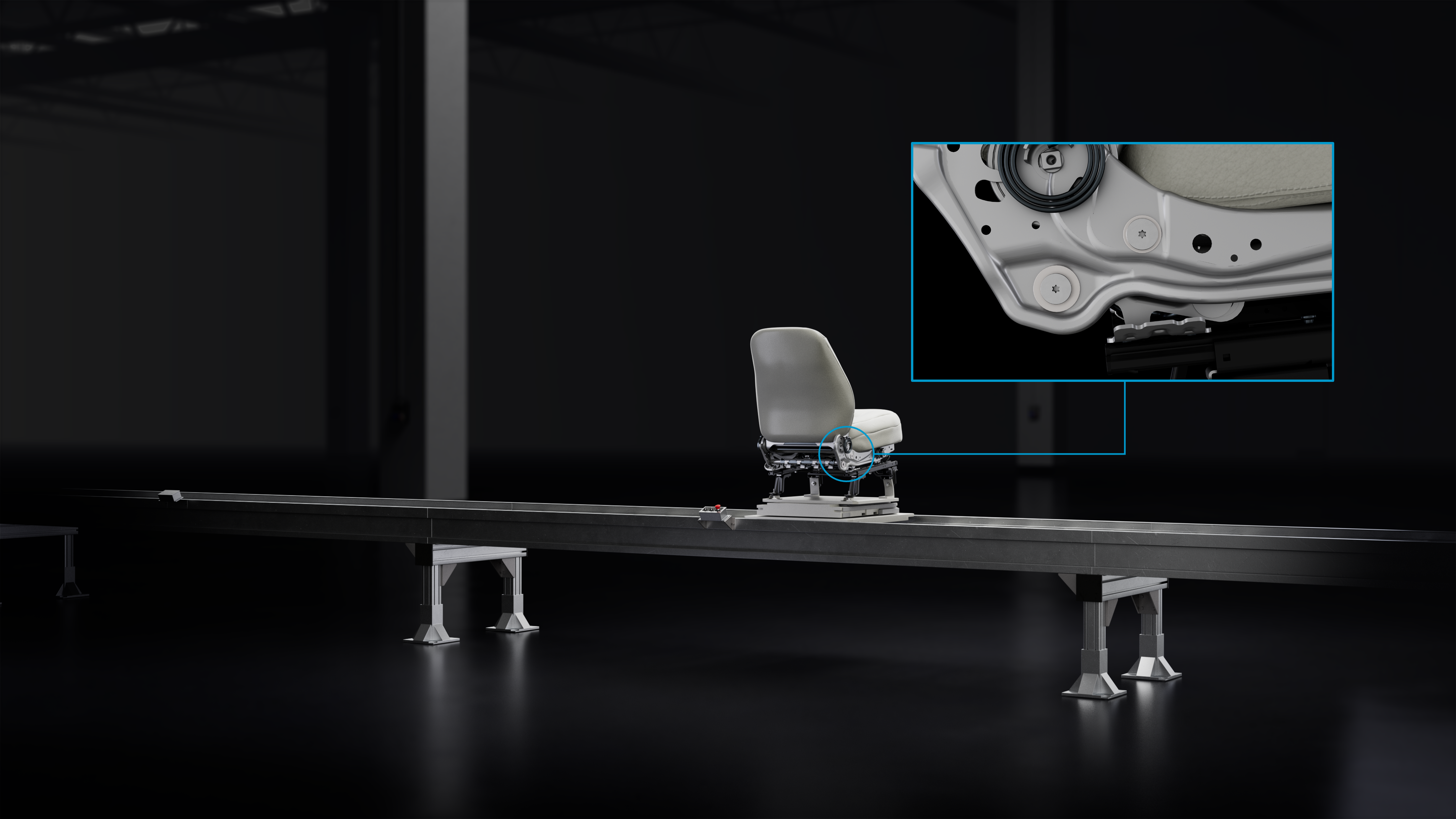
- ApplicationSeat Marriage
- Base cell
- Layout
- PowerHEAD
- Screw handling
- Fixation
- Controls
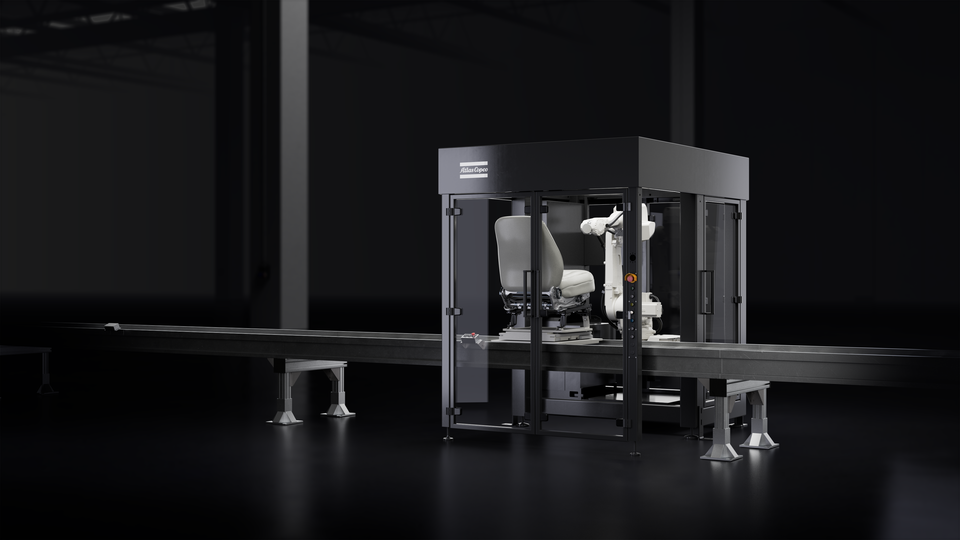
- ApplicationSeat Marriage
- Base cellOnline Single
- Layout
- PowerHEAD
- Screw handling
- Fixation
- Controls
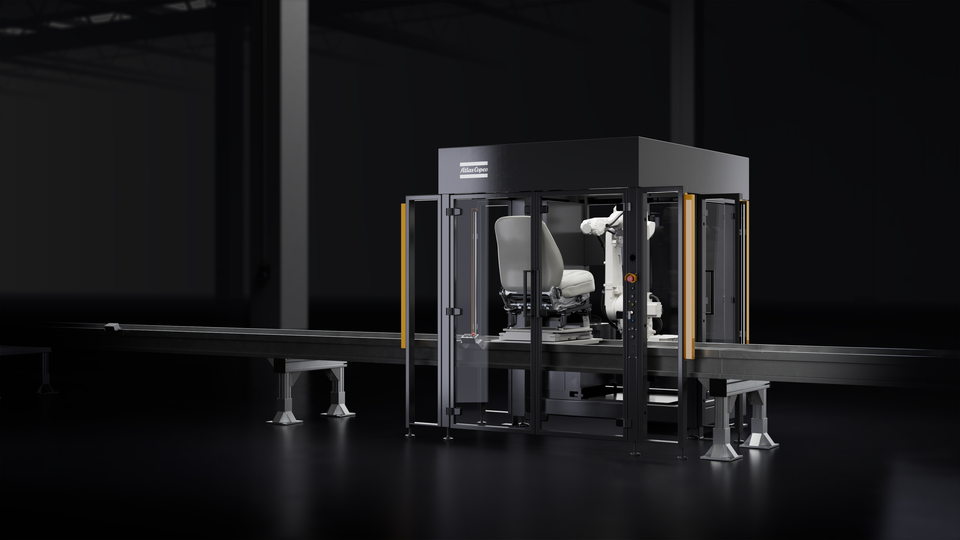
- ApplicationSeat Marriage
- Base cellOnline Single
- LayoutLight Barrier
- PowerHEAD
- Screw handling
- Fixation
- Controls
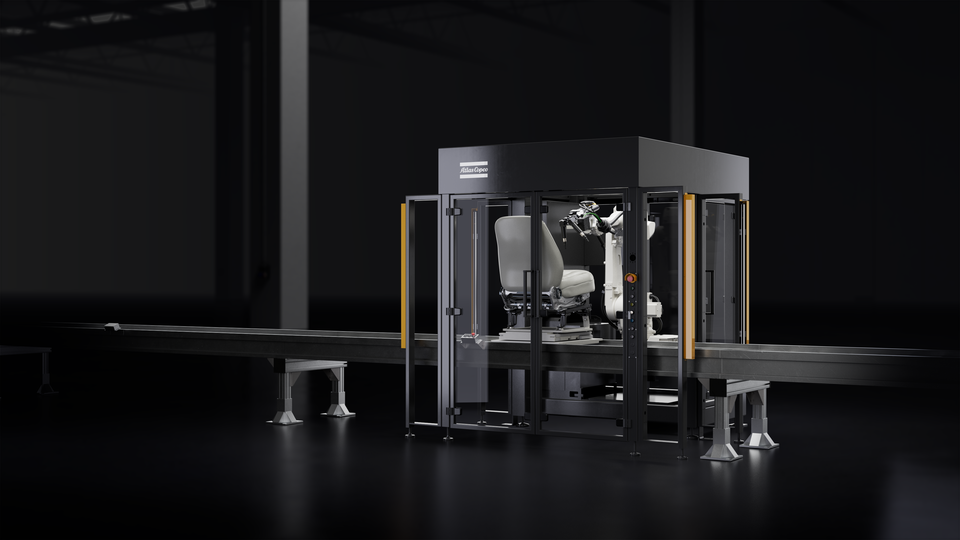
- ApplicationSeat Marriage
- Base cellOnline Single
- LayoutLight Barrier
- PowerHEADTightening
- Screw handlingPre-screwed
- FixationNone
- Controls
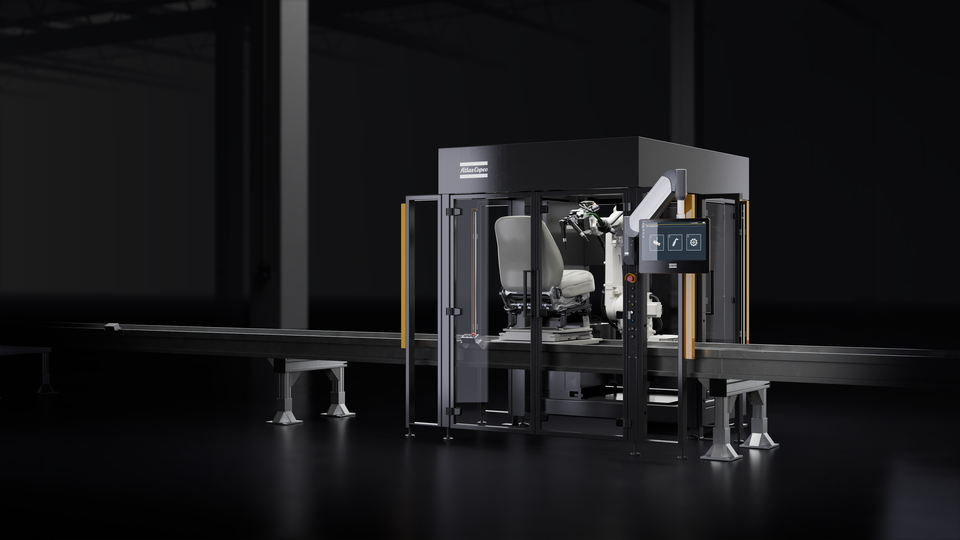
- ApplicationSeat Marriage
- Base cellOnline Single
- LayoutLight Barrier
- PowerHEADTightening
- Screw handlingPre-screwed
- FixationNone
- ControlsAutomated Control Platform (ACP)

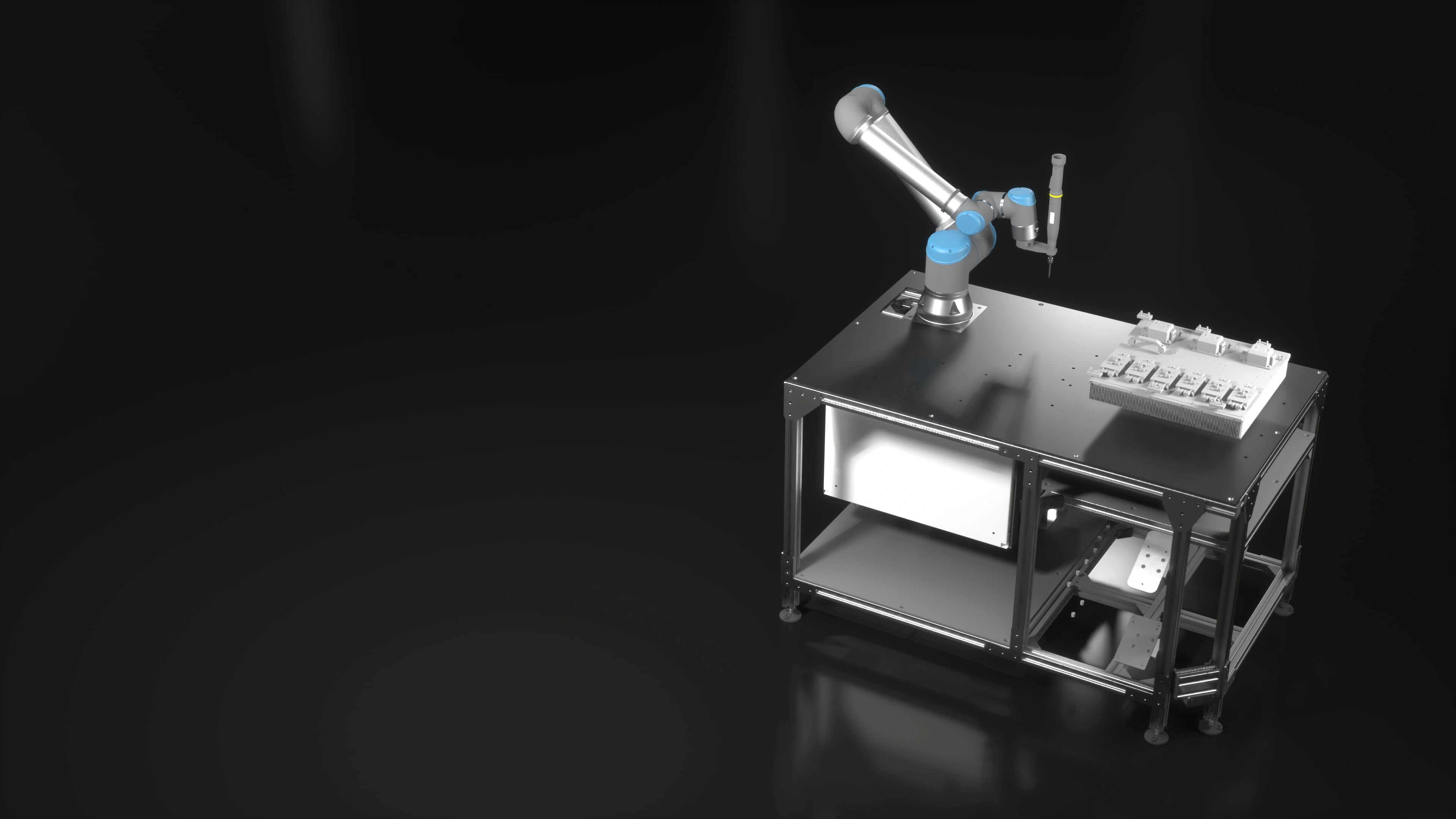
TCR compared with a traditional multi-vendor automation project
| Feature | Atlas Copco TCR with HADI | Traditional automation solution |
|---|---|---|
| In-house components | One engineering stack with ownership of tightening, vision, feeding and controls supports dependable integration. | A multi-vendor setup requires coordination between separate suppliers. |
| Reliability | An integrated set of Atlas Copco technologies provides one validated performance architecture. | Performance depends on integrator knowledge, individual component quality and serviceability. |
| Traceability | Built-in Automated Control Platform (ACP) modules consolidate tightening, feeding and vision traceability. | Custom traceability integration and additional middleware are normally required. |
| Scalability and flexibility | An approximately 80% standardized base allows about 20% focused customization for the process. | Fully custom builds often involve longer lead times and lower modularity. |
| Project risk | Feasibility studies, simultaneous engineering and test facilities reduce execution risk. | Unfamiliar vendors or tool chains increase integration risk. |
| Support and service | Atlas Copco's technology support is combined with HADI's local project management, integration and post-installation service. | Support structure and escalation routes vary between vendors. |
| Technology ownership | The major tightening, feeding, vision and control components are managed as one technology stack. | Outsourced components limit ownership of final system performance. |
| Socket and tool flexibility | Options include automatic socket changers, pitch adjusters and magnetic or vacuum End-of-Arm Tooling (EOAT). | Multiple tools or manual intervention are commonly required. |
| Optimized delivery | Pre-engineered base designs and the ACP platform shorten development. | Custom design cycles and multi-vendor coordination extend delivery. |
HADI · Industrial automation
Plan a complete tightening-cell solution
Atlas Copco manufactures the core tightening, feeding, vision and control technologies. HADI imports the solution to Israel and provides local process engineering, integration, commissioning, training and ongoing support.
Contact HADI's automation team
Reliability
Atlas Copco tightening, feeding, vision and control technologies improve connectivity and traceability.
The integrated architecture is designed for efficient operation and straightforward integration.
Low risk
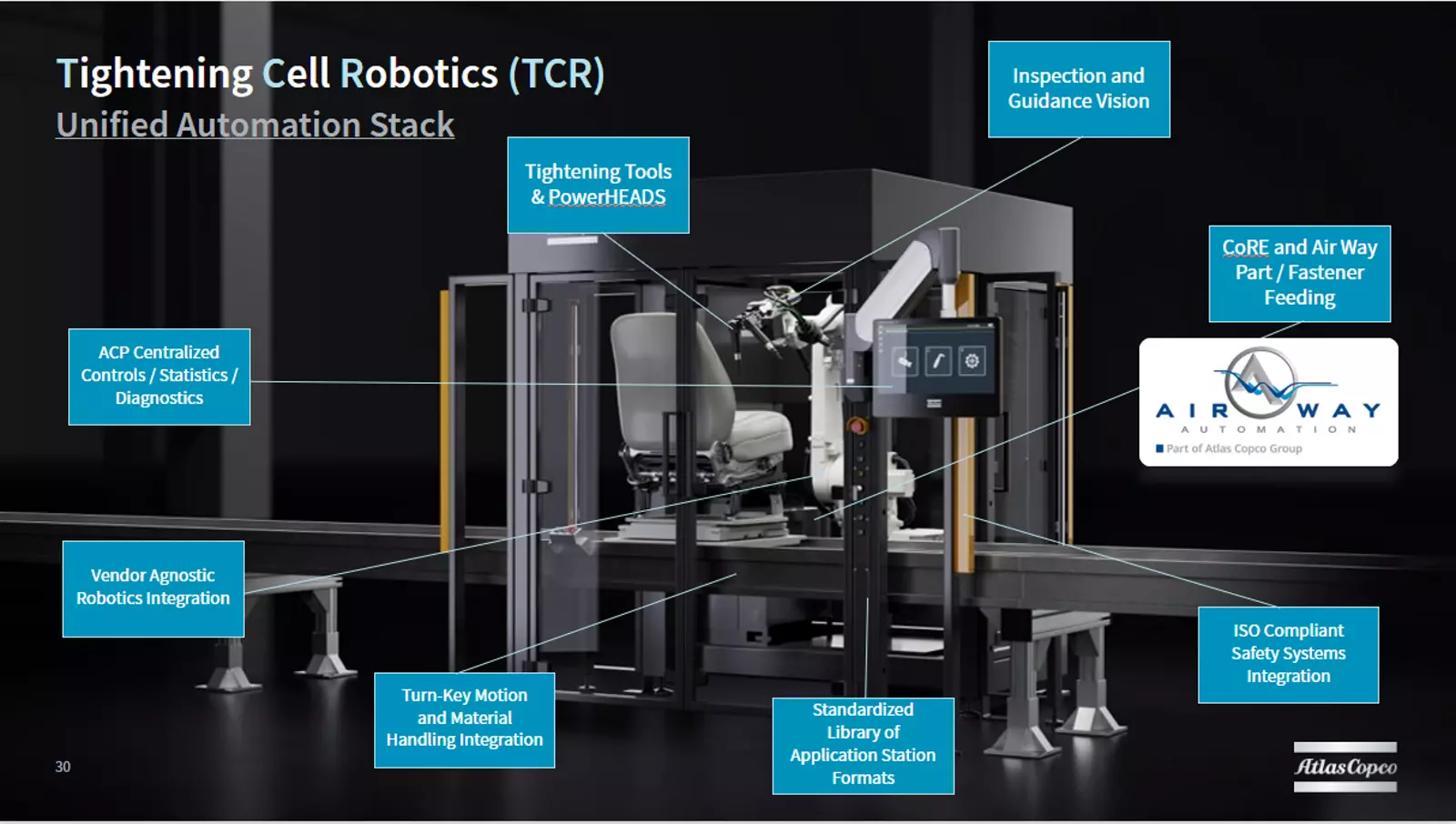
The components are interconnected so that the process sequence can be completed and traced as one system.
A unified, validated solution supports consistent performance and production continuity.
HADI provides the local engineering, commissioning and service address in Israel, backed by Atlas Copco technology.
One engineering address
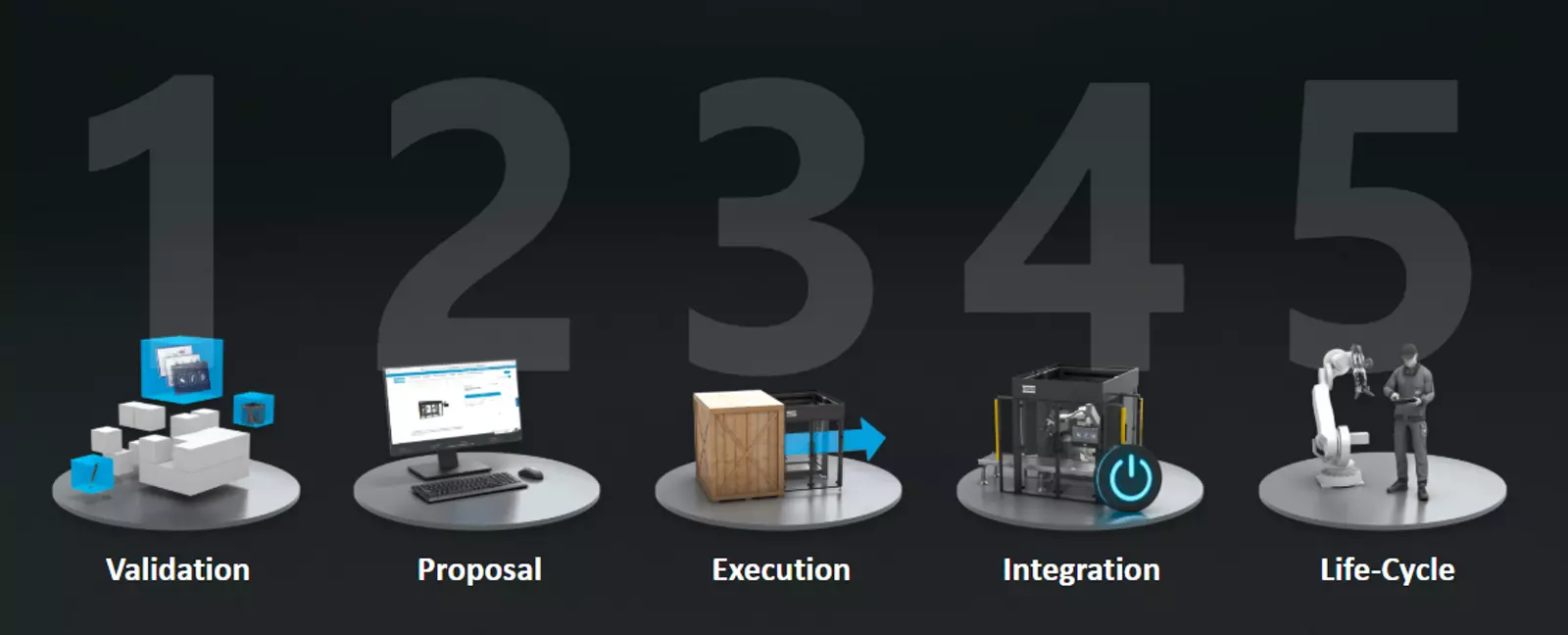
The base components for the tightening operation are engineered as one Atlas Copco technology stack.
A complete engineering team develops the station and verifies that it is fit for the intended process.
The solution is validated before the build begins.
- 1
Simulation and feasibility services
- 2
Station design and statement-of-work development
- 3
Project management
- 4
Solution programming
- 5
Assembly of a fully operational integrated solution
- 6
Commissioning and start-up support
- 7
Predictive and corrective maintenance
Flexible
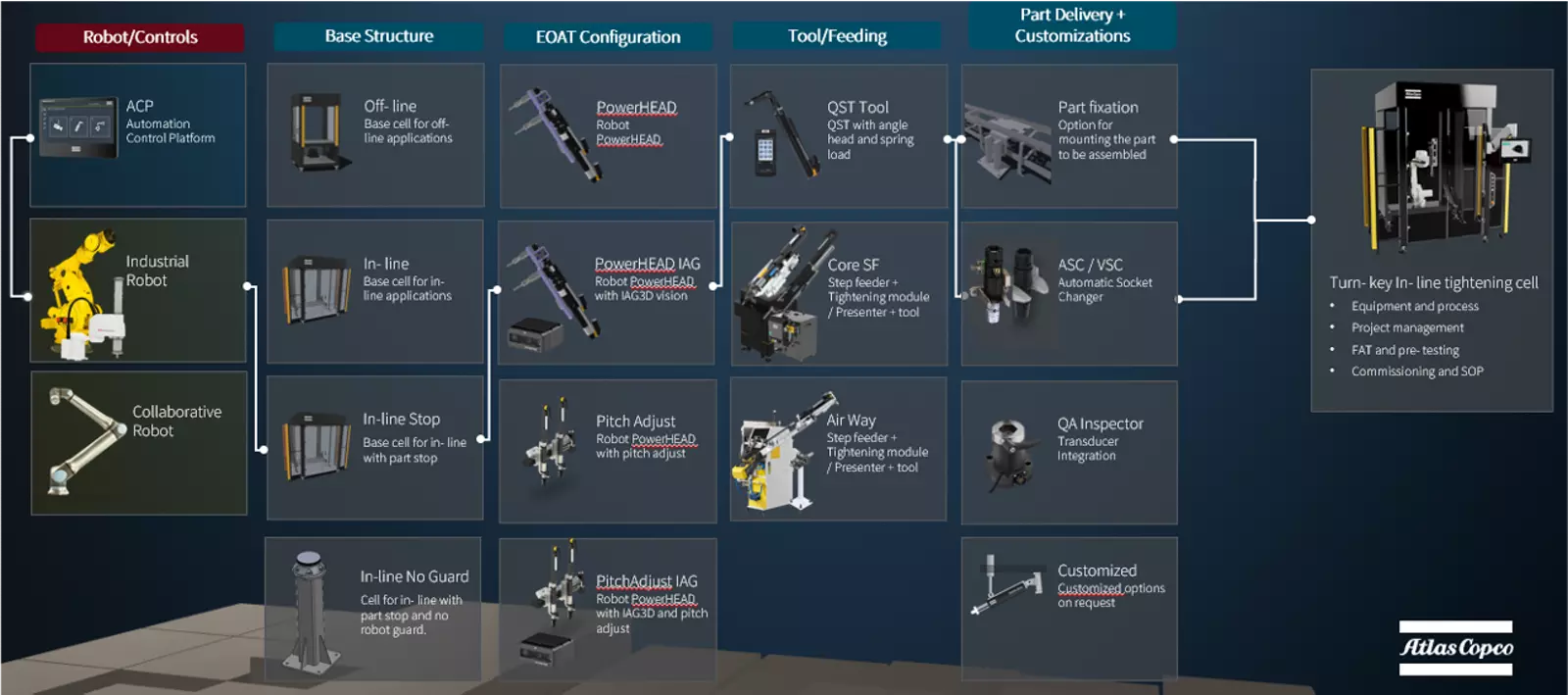
TCR capabilities can scale with the customer's process and future requirements.
Integration with the production line is based on defined power, air and primary-control interfaces.
What is included in a TCR?
Configuration path
How is the solution defined?
